
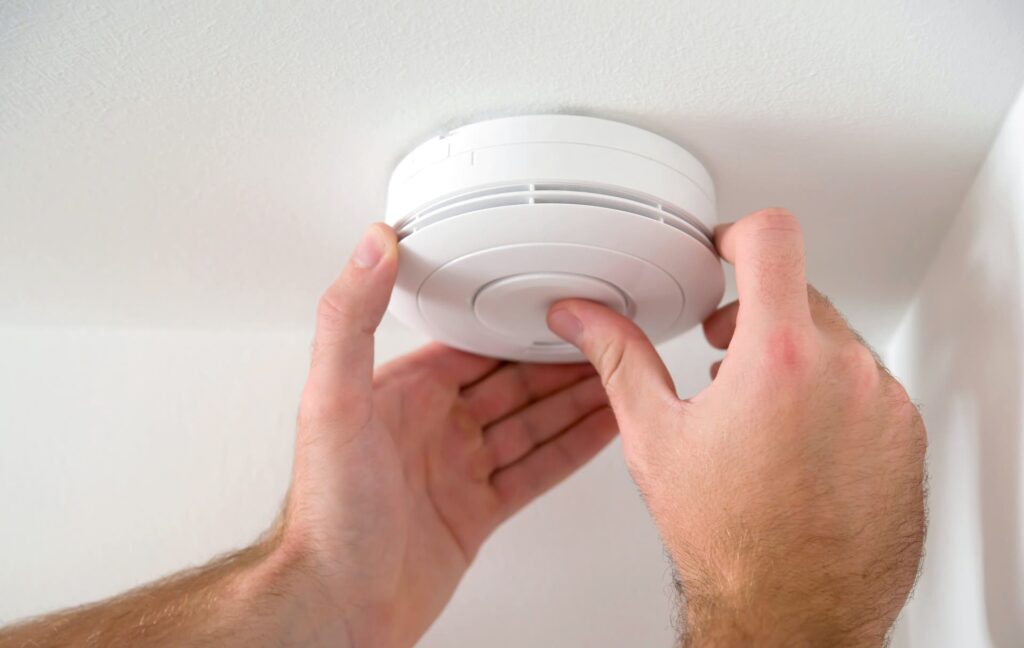
If after smoke detector alarm stopped house smells burnt, it can feel very alarming — and for good reason. This is a very concerning but not always dangerous situation. In many homes, the smell turns out to be residual or harmless. In other cases, it can signal hidden heat or an electrical issue that needs attention.
The most important thing is to rule out active heat or electrical problems first, then decide what action is needed.
This guide will help you understand why the smell happens, how risky it is, what you can safely check, and when to call for help — without panic or guesswork.
Why the House Can Smell Burnt After a Smoke Alarm Stops
Homeowners commonly notice a burnt or electrical smell after a smoke alarm goes off and then stops. That happens because smoke alarms are designed to react to particles in the air, not just visible fire.
Common explanations include:
- Smoke without flames (dust, cooking fumes, overheated components)
- Temporary overheating that resolved itself
- Residual odors lingering after the trigger
- Dust or debris burning off electronics or vents
In most cases, the alarm did its job by warning you early — even if no fire developed.
Is This Dangerous or Just a Residual Smell?
The key question is whether the smell is fading or persisting.
Usually less serious if:
- The smell is faint
- It gradually disappears within an hour
- There is no visible smoke
- Walls, outlets, and appliances feel cool
Potentially dangerous if:
- The smell gets stronger
- You notice warmth from outlets, switches, or walls
- The alarm goes off again
- The odor smells like burning plastic or wiring
If you’re unsure, it’s safer to treat it as a potential issue until proven otherwise.
Most Common Reasons This Happens
Electrical Overheating Without Flames
In many homes, the most common cause is electrical overheating that never turned into a fire.
This can come from:
- Overloaded outlets
- Extension cords
- Older appliances
- Power strips under strain
The smell may linger even after the heat source cools.
Dust Burning Off Appliances or Vents
Fire safety experts often explain that dust buildup can trigger alarms.
Typical sources:
- Space heaters
- Ovens
- HVAC vents
- Bathroom or kitchen exhaust fans
When dust burns briefly, it can create a burning smell after smoke detector alarm without lasting danger.
False Smoke Alarm Trigger
A smoke detector false alarm burning smell scenario often involves:
- Steam from showers
- Aerosols or cleaning sprays
- Cooking smoke
Even after the air clears, odors can linger for a while.
Overheated Wiring or Outlet
This is more serious.
Warning signs include:
- Smell of burnt plastic
- Odor strongest near one outlet
- Outlet or switch plate feels warm
This can explain an electrical smell after smoke alarm and should not be ignored.
External Smoke Entered the House
Sometimes the source isn’t inside at all.
Examples:
- Neighbor’s cooking or fire
- Outdoor burning
- Smoke entering through windows or ventilation
In this case, the smoke alarm went off now house smells, but the cause has already passed.
What You Should Check Immediately (Safe Steps)
You don’t need tools or technical skills. Do only safe checks.
Checklist:
- Open windows to ventilate the house
- Walk room to room and note where the smell is strongest
- Lightly touch outlet covers (use the back of your hand, stop if warm)
- Turn off and unplug recently used appliances
- Confirm there is no visible smoke or haze
⚠️ Important:
- Do not open outlets or electrical panels
- Do not ignore repeat alarms
- If something feels hot, stop checking
What NOT to Do
To stay safe, avoid these common mistakes:
- ❌ Don’t turn suspicious appliances back on “to test”
- ❌ Don’t ignore a burning plastic smell
- ❌ Don’t disable your smoke alarm permanently
- ❌ Don’t leave the house without understanding the source
Smoke alarms are warnings — not nuisances.
How Long a Burnt Smell Can Last After an Alarm
This is one of the most important clues.
10–60 minutes
- Likely residual odor
- Smoke, steam, or dust
- Usually fades with ventilation
Several hours
- Possible overheating
- Appliance or vent-related
- Needs closer attention
Smell disappears, then returns
- Strong sign of an unresolved issue
- Often electrical
- Should be checked by a professional
If the smoke alarm stopped but smell remains, time alone shouldn’t be your only test — intensity and recurrence matter more.
When to Call an Electrician or Emergency Services
Call for professional help if:
- The smell intensifies
- Outlets or walls feel warm
- A breaker trips
- The alarm triggers again
- You feel unsure or unsafe
In safety situations, it’s always better to call and confirm than to wait and hope.
How to Prevent This in the Future
In most cases, prevention is simple:
- Don’t overload outlets or power strips
- Keep appliances and vents dust-free
- Avoid cheap or damaged extension cords
- Replace aging smoke detectors
- Pay attention to unusual smells early
Many issues are preventable once you know what to watch for.
FAQ
Is it normal for a house to smell burnt after a smoke alarm?
In many homes, yes — especially if the alarm was triggered by dust, steam, or minor overheating. It should fade, not worsen.
Can a smoke detector go off without a fire?
Yes. Smoke alarms react to particles, not flames. Steam, dust, and fumes can all trigger them.
Should I call 911 if the smell remains?
If the smell gets stronger, returns, or comes with heat or smoke, emergency services are appropriate.
What does electrical burning smell like?
Often described as sharp, acrid, or like melting plastic — different from food or wood smoke.
Can dust cause a smoke alarm to trigger?
Yes. Dust burning off heaters, vents, or appliances is a very common cause.
Final Thoughts
If after smoke detector alarm stopped house smells burnt, take it seriously — but don’t panic. In most cases, it’s a residual smell or minor overheating that resolves. Still, it’s important to rule out electrical issues first and act if warning signs appear.
Your alarm did its job by alerting you. Your job now is simply to check safely, stay alert, and get help if needed.