
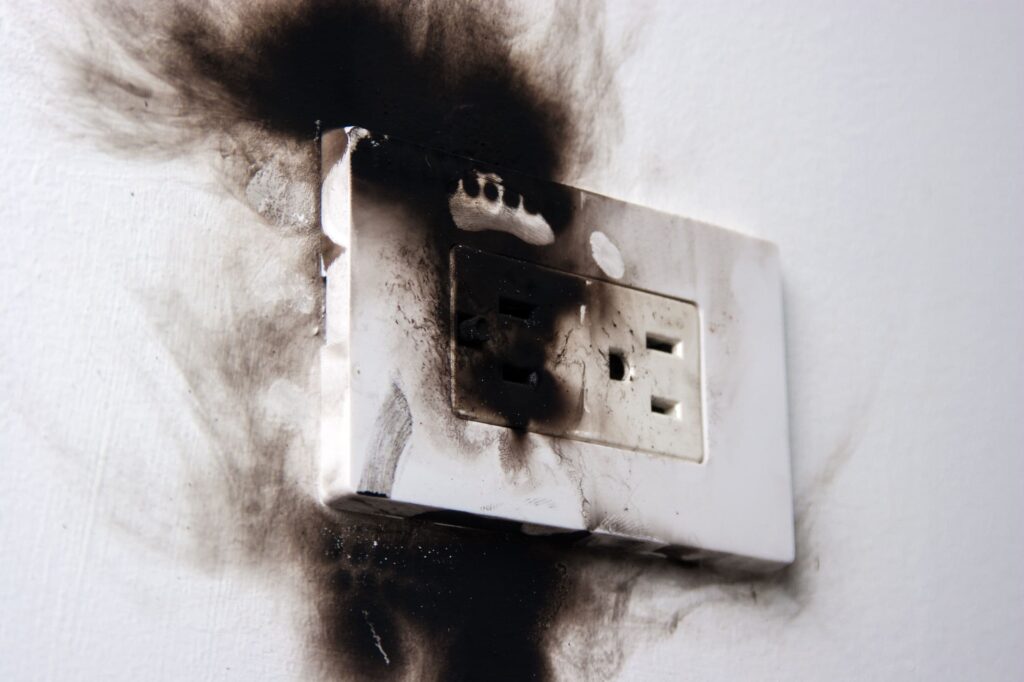
If you noticed that after turning on old appliance sparks appeared once, it’s understandable to feel concerned. Seeing a spark from any electrical device can be unsettling, especially when dealing with older appliances. The reassuring news is that a single small spark doesn’t always mean something dangerous or broken. In many cases, brief sparking can occur due to normal electrical behavior — such as the initial surge of power when a device starts, worn but still functional contacts, or even dust buildup on older components. That said, electrical safety should always come first. While occasional tiny sparks may be harmless, it’s important to understand the difference between normal electrical behavior and warning signs that indicate a potential hazard.
Why Sparks Can Appear When Turning On an Old Appliance
Electrical devices — particularly older ones — may produce a small spark when first powered on. This happens because of how electricity behaves during startup.
When an appliance turns on:
- Electrical current flows suddenly into the device.
- Motors or heating elements draw a higher starting current (called inrush current).
- Metal contacts connect under load, sometimes producing a tiny arc.
Over time, aging components can make this more noticeable:
- Oxidation builds up on metal plug contacts.
- Internal switches wear down from repeated use.
- Dust accumulation increases resistance at connection points.
Common appliances where this may happen include:
- Vacuum cleaners
- Space heaters
- Power tools
- Older kitchen appliances like mixers or toasters
If after turning on old appliance sparks appeared once and then stopped, it may simply be the result of startup load rather than a fault — but it’s still worth checking carefully.
Is This Normal or Dangerous?
✅ Possibly normal if:
- The spark was very small and happened only once.
- It occurred when plugging in or switching on the device.
- No burning smell followed.
- The appliance runs normally afterward.
- The outlet stays cool to the touch.
These situations often relate to normal electrical behavior.
⚠️ Potentially dangerous if:
- Sparks repeat or increase in size.
- You hear loud popping sounds.
- A burning plastic or electrical smell appears.
- Smoke or heat develops.
- Sparks come from inside the outlet itself.
Electrical warning signs should never be ignored.
Most Common Causes
▸ Initial Electrical Inrush Current
Many appliances draw extra power at startup. This sudden surge can cause a brief arc when contacts meet, producing a tiny spark.
▸ Dust or Oxidation on Plug Contacts
Older appliances often develop oxidation on metal prongs. Increased resistance may create visible sparking during connection.
▸ Loose Outlet or Plug Fit
If the plug feels loose in the outlet:
- Electrical contact becomes inconsistent.
- Small arcs may form when power flows.
- Heat buildup becomes more likely over time.
▸ Aging Internal Switches
Old switches may develop worn contact surfaces. When activated, these contacts may briefly spark inside the appliance.
▸ Extension Cords or Power Strips
Worn or overloaded extension cords can increase electrical resistance, leading to sparking during startup.
When a Single Spark Is Usually Harmless
Not every spark indicates danger. For example:
- A tiny arc when the plug first touches the outlet can occur normally.
- Motor-driven appliances often draw extra current during startup.
- Static electricity discharge can sometimes resemble a spark.
If after turning on old appliance sparks appeared once without any other warning signs, it may simply be normal startup behavior — but continued observation is important.
What You Can Check Yourself (Safe Steps)
You don’t need to open the appliance to perform basic safety checks:
- Unplug the appliance completely.
- Inspect the plug for burn marks or discoloration.
- Try a different outlet to compare behavior.
- Ensure the plug fits firmly and doesn’t wobble.
- Touch the outlet lightly after use to check for warmth.
- Test the appliance briefly again — only once — to see if the spark repeats.
⚠️ Safety tips:
- Never open the appliance casing.
- Avoid repeated testing if unsure.
- Disconnect immediately if you notice smell, heat, or smoke.
What NOT to Do
- Don’t continue using the appliance if sparks repeat.
- Never ignore burning smells.
- Avoid taping damaged cords or temporary fixes.
- Don’t overload power strips or extension cords.
These actions increase fire risk and should be avoided.
When to Stop Using the Appliance Immediately
Certain signs mean you should unplug the device right away:
- Sparks coming from inside the outlet.
- Crackling or buzzing sounds.
- Flickering lights when the appliance runs.
- Plug feels warm or shows melted plastic.
- Circuit breaker trips repeatedly.
In these cases, continuing to use the appliance could be unsafe.
When to Call an Electrician vs Replace the Appliance
Call an electrician if:
- Multiple appliances spark in the same outlet.
- The outlet feels loose or damaged.
- Electrical behavior changes throughout the home.
Replace the appliance if:
- Internal burning smell develops.
- Sparking repeats frequently.
- The appliance is very old and shows signs of degradation.
Understanding whether the issue lies in the appliance or the electrical system helps guide the right decision.
Prevention Tips
To reduce risk and improve safety:
- Inspect cords and plugs regularly for wear.
- Avoid using loose or worn outlets.
- Replace aging appliances proactively.
- Use surge protectors where appropriate.
- Keep electrical contacts clean and dry.
Routine maintenance helps prevent unexpected electrical issues.
FAQ
Is it normal to see a spark when plugging in appliance?
A tiny brief spark can occur during initial contact, especially with motor-driven devices, but it should not be large or repeated.
Why did my old appliance spark once?
Startup current, worn contacts, or dust buildup can create a small spark during activation.
Can dust cause electrical sparks?
Yes. Dust increases electrical resistance and may contribute to sparking at contacts.
Is a single spark dangerous?
Not always. However, repeated sparks or additional warning signs require attention.
Should I stop using appliance after spark?
If it was a one-time small spark with no smell or heat, monitor behavior. If sparks repeat, stop using immediately.
Conclusion
If you noticed that after turning on old appliance sparks appeared once, remember that a single small spark can sometimes be normal — especially with older devices and high startup loads. Still, electrical safety comes first. Monitor for repeated sparking, unusual sounds, or heat, and perform simple visual checks to ensure connections are secure. Most situations are harmless, but early attention to warning signs helps prevent larger electrical risks and keeps your home safe.