
If your breaker keeps tripping after a power outage, it’s a sign that something in your electrical system isn’t handling power correctly. While outages themselves don’t damage breakers directly, the sudden return of electricity can expose underlying issues or create temporary overloads.
This problem is common in U.S. homes, especially when multiple appliances restart at the same time.
Here’s what might be causing it—and how to fix it safely.
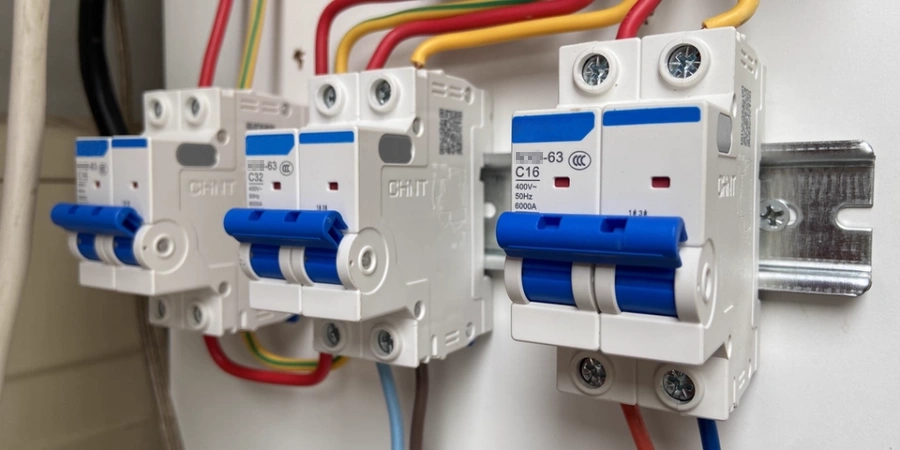
1. Too Many Appliances Restarted at Once
When power returns, everything plugged in may turn on simultaneously. This can overload a circuit and cause the breaker to trip.
Common culprits include:
- Refrigerators and freezers
- HVAC systems
- Microwaves and ovens
- Space heaters
Each of these draws significant power during startup.
What to do:
- Turn off or unplug major appliances
- Reset the breaker
- Plug devices back in one at a time
This helps prevent immediate overload.
2. A Circuit May Be Overloaded
Even after power stabilizes, your circuit might be carrying more load than it should.
For example, a typical 15-amp circuit should not continuously handle more than about 12 amps.
If too many devices are connected:
- The breaker trips repeatedly
- Lights may dim before tripping
- The issue happens when specific devices run together
Redistributing appliances across different outlets or circuits can help.
3. A Faulty Appliance Could Be Causing the Issue
Sometimes the outage damages or affects a specific appliance, causing it to draw abnormal current.
Signs of a faulty device:
- Breaker trips only when a specific appliance is plugged in
- You notice a burning smell or unusual noise
- The appliance doesn’t operate normally
Test this by unplugging everything and reconnecting devices one at a time.
4. GFCI or AFCI Protection May Be Triggering
Modern homes often use GFCI (Ground Fault Circuit Interrupter) or AFCI (Arc Fault Circuit Interrupter) breakers.
These are designed to trip quickly if they detect irregular electrical patterns—even minor ones caused by power restoration.
You might notice:
- Breaker trips instantly after reset
- It’s labeled GFCI or AFCI
- The circuit powers kitchens, bathrooms, or bedrooms
Try pressing the reset button on any GFCI outlets connected to the circuit before resetting the breaker.
5. Loose or Damaged Wiring May Be Exposed
Power outages—especially those caused by storms—can sometimes lead to electrical stress or loose connections.
If wiring was already worn or damaged, the return of power may trigger faults.
Warning signs include:
- Frequent or immediate breaker trips
- Buzzing sounds from outlets or panel
- Burn marks or warm outlets
In these cases, professional inspection is strongly recommended.
6. The Breaker Itself Could Be Weak or Failing
Circuit breakers can wear out over time. After repeated trips or age-related wear, a breaker may become overly sensitive.
This can lead to:
- Tripping under normal load
- Difficulty resetting
- Inconsistent behavior
If your breaker is older or has tripped many times before, it may need replacement.
The National Fire Protection Association emphasizes that properly functioning circuit protection is critical for preventing electrical fires in homes.
When It’s a Safety Issue
Stop troubleshooting and call an electrician if:
- The breaker trips immediately every time
- You smell burning or see sparks
- Outlets or wires feel hot
- The panel makes unusual noises
Electrical problems can escalate quickly, so it’s important not to ignore warning signs.
Quick Troubleshooting Steps
If your breaker keeps tripping after a power outage:
- Unplug major appliances
- Reset the breaker
- Plug devices back in one at a time
- Identify if a specific device triggers the issue
- Check GFCI outlets for resets
These steps often pinpoint the problem quickly.
FAQ
Why does my breaker trip immediately after I reset it?
This usually indicates a short circuit, ground fault, or a faulty appliance connected to the circuit.
Can a power outage damage my breaker?
Outages themselves usually don’t damage breakers, but power surges when electricity returns can stress circuits or appliances.
Is it safe to keep resetting a tripping breaker?
No. Repeatedly resetting a breaker without fixing the cause can be dangerous and increase the risk of electrical fire.