
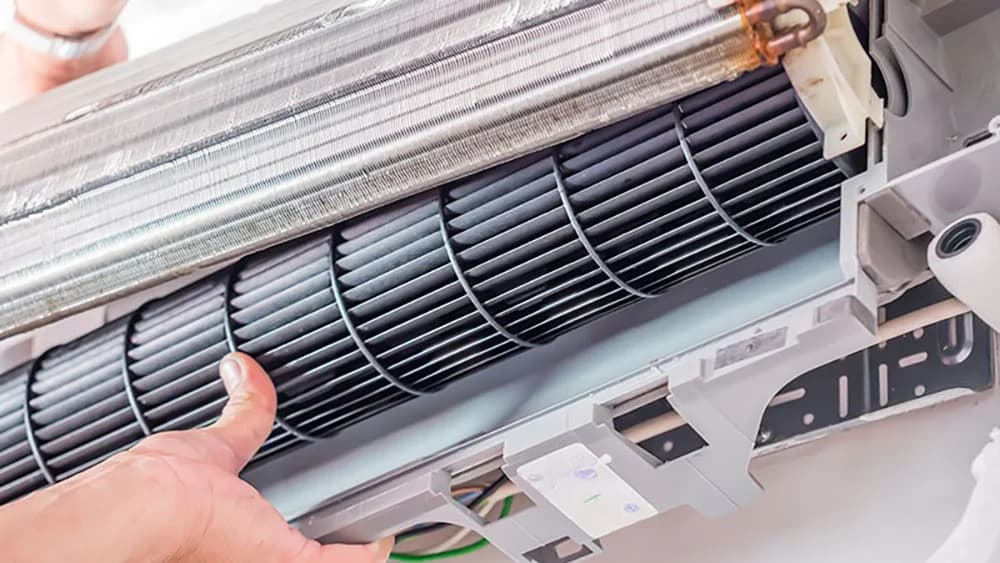
SEO Title: After Turning AC Off for Days, It Smells When Restarted – Causes & Fixes
Meta Description: If your AC smells when restarted after being off for days, here are the most common causes, what you can safely check, and when cleaning or service is needed.
After Turning AC Off for Days, It Smells When Restarted
If after turning AC off for days it smells when restarted, you’re not alone. Homeowners commonly report this problem after vacations, cooler weather, or simply not running the system for a while. It’s very common after periods of inactivity and, in most cases, usually not dangerous but unpleasant.
The reason is simple: moisture, dust, and warm air sit inside the system while it’s off. Over time, bacteria and mild mold growth can develop, creating a musty or stale smell when the AC turns back on. The good news is that many odors fade quickly — and there are safe steps you can take to reduce or prevent them.
This guide explains why the smell happens, whether it’s harmful, what you can check yourself in 30 minutes, and when it’s time to call a professional.
Why an AC Smells After Being Off for Several Days
When an air conditioner stops running, the inside doesn’t instantly dry out.
In many homes, a thin layer of moisture remains on:
- The evaporator coil
- The drain pan
- Internal plastic and metal surfaces
Dust, pollen, and organic particles already present in the system settle into this damp environment. Over several days, bacteria and mild mold begin to grow. When you restart the unit, warm air passes over these surfaces and carries the odor into your living space.
That’s why an AC smells after being off for days even if it worked perfectly before.
Is This Smell Dangerous or Just Unpleasant?
Most odors after restarting an idle AC are unpleasant but harmless.
Usually harmless smells
In most cases, the following are not dangerous:
- Musty or basement‑like smell
- Stale air smell from AC vents
- Slight “wet dust” odor
These often fade within minutes as fresh air circulates.
Warning smells to take seriously
Some odors deserve immediate attention:
- Burning smell — may indicate electrical or motor issues
- Sharp chemical odor — possible refrigerant or insulation problem
- Strong ammonia‑like smell — potential biological contamination
If you notice a burning odor, see: After turning on heating for first time it smells burning.
If symptoms like coughing, headaches, or eye irritation appear, stop using the system and ventilate the room.
Most Common Reasons This Happens
Moisture and Mold on the Evaporator Coil
This is the most common cause.
HVAC technicians often notice that the evaporator coil stays damp long after shutdown. When cooling stops, condensation remains trapped between the fins. During inactivity:
- Moisture doesn’t evaporate
- Microorganisms slowly grow
- A typical “musty smell” forms
When the AC restarts, air picks up this odor immediately.
Dirty or Damp Air Filter
A wet or dirty filter quickly becomes a source of odor.
Homeowners commonly report that replacing the filter removes the smell instantly. Filters trap:
- Dust
- Pet dander
- Moisture
When left unused for days, this damp material begins to smell.
Dust and Bacteria in the Drain Pan
The drain pan often contains small amounts of standing water.
After humid weather or heavy use:
- Water stagnates
- Bacteria multiply
- A sour or earthy odor develops
This smell is released as soon as airflow resumes.
Stale Air in Ducts or Indoor Unit
Sometimes there is no contamination at all.
If ducts or the indoor unit sit unused:
- Air becomes stale
- Odors from the room settle inside
This usually disappears within 10–30 minutes after restarting.
What You Can Check and Clean Yourself (Safe Steps)
Many mild odors can be reduced without tools or disassembly.
1. Run fan‑only mode for 20–30 minutes
This helps dry internal moisture without cooling.
- Turn off cooling
- Set the fan to “On” or “Fan Only”
- Let it run with windows slightly open
2. Check and replace the air filter
- Remove the filter
- Inspect for dampness, dust, or mold spots
- Replace if dirty or more than 1–3 months old
3. Inspect the drain line and pan (visually)
- Look for standing water
- Ensure the drain pipe is not blocked
- Wipe accessible edges with a dry cloth
4. Clean accessible surfaces
- Wipe the air intake grille
- Clean vent covers
- Remove visible dust buildup
⚠️ Important safety notes:
- Do not open sealed panels
- Do not pour water into the unit
- Do not spray aggressive chemicals inside
What NOT to Do
Some actions make the problem worse.
Avoid these mistakes:
- Ignoring the smell for weeks — mold growth may increase
- Spraying air freshener into vents — masks odor, feeds bacteria
- Blocking vents to hide the smell — traps moisture inside
- Using bleach or strong solvents — damages coils and insulation
Odor control works best by drying and cleaning, not covering.
How Long Does the Smell Usually Last?
Temporary odors
In most cases:
- Fade within 15–60 minutes
- Do not return once airflow dries the system
This is typical stale air or light moisture odor.
Persistent odors
If the smell:
- Lasts longer than several hours
- Persists for multiple days
- Returns every time the AC starts
Then internal cleaning is usually required.
When Professional Cleaning Is Needed
Call a technician if:
- The smell does not improve after 1–2 days
- It comes back after every shutdown
- You notice visible mold inside vents
- Allergy or asthma symptoms appear
Professional service typically includes:
- Coil cleaning
- Drain pan disinfection
- Drain line flushing
- Internal surface drying
This usually eliminates the odor source completely.
How to Prevent This in the Future
Prevention focuses on drying the system before shutdown.
Run ventilation before turning the AC off
Before leaving for several days:
- Switch to fan‑only mode for 20 minutes
- Let moisture evaporate from coils
Change filters regularly
- Every 1–3 months
- More often with pets or allergies
Turn the AC on periodically
Even short runs help:
- Prevent stagnant air
- Reduce microbial growth
Use dehumidification
Lower humidity slows mold growth.
For airflow issues after cleaning, see: After cleaning furnace blower airflow decreased.
FAQ
Is it normal for AC to smell after not being used?
Yes. In many homes, mild odors after inactivity are very common and usually disappear quickly.
Can mold grow in an AC while it’s turned off?
Yes. Moisture left on coils and pans allows mild mold or bacteria to grow during downtime.
Why does the smell go away after a while?
Airflow dries the surfaces and flushes out stale air, removing the odor source.
Is this dangerous for health?
Most smells are harmless. However, persistent mold odors may aggravate allergies or asthma.
Should I turn off AC completely when leaving for days?
Yes, but run fan‑only mode first to dry the system before shutting it down.
Final Thoughts
If after turning AC off for days it smells when restarted, the cause is usually moisture and stagnant air — not a serious defect. In most cases, simple drying, filter replacement, and basic cleaning solve the problem within an hour.
Persistent or recurring odors, however, signal internal buildup that benefits from professional cleaning. With a few preventive habits, you can keep your system fresh and avoid unpleasant surprises after periods of inactivity.