

Introduction
If your refrigerator turned back on after a power outage, you hear it running, the lights work, but fridge is running but bot cooling, it’s completely understandable to feel confused or concerned. This situation is actually very common after electrical interruptions and doesn’t automatically mean something is broken.
When power is restored, refrigerators often need time to stabilize, and several different factors can affect cooling performance at first. In many cases, the issue is temporary and resolves on its own. The key is understanding what likely changed and knowing what signs are normal versus what needs attention — without panic or guesswork.
What Likely Happened
After a power outage, internal temperature may stay warm for a while even after electricity returns, and food safety guidelines recommend keeping fridge and freezer doors closed to preserve cold temperatures as long as possible. According to government food safety advice, a refrigerator can remain cold for several hours if doors stay shut after an outage.
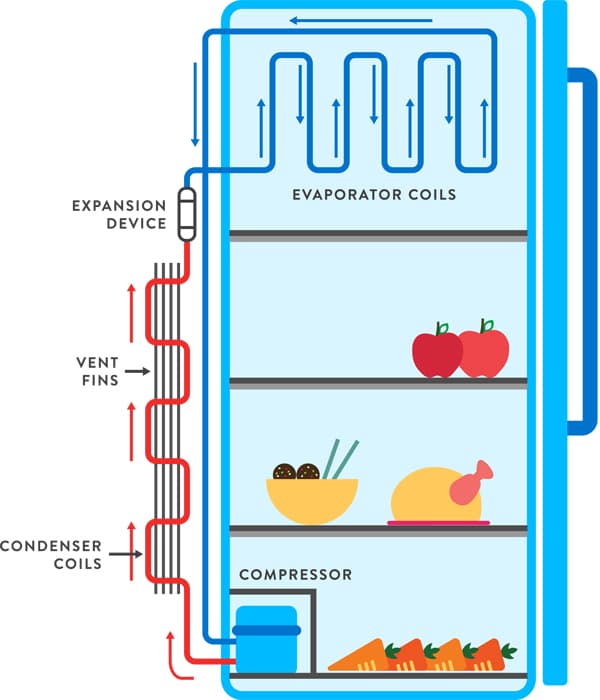
In many cases, the compressor starts running right away, but the system delays full cooling to protect itself from electrical stress. If the outage lasted a while, the temperature inside the fridge may have risen significantly, meaning the appliance now has to cool warm air, shelves, and food all over again.
Often, what looks like a malfunction is simply the refrigerator adjusting back to normal operation. Depending on conditions like room temperature, how full the fridge is, and how often the door is opened, this adjustment period can take several hours or longer.
Most Common Reasons This Happens
🔹 Temperature settings were reset
Power interruptions can reset temperature controls to default or mid-range settings. The refrigerator may be running, but the cooling level is no longer set cold enough. This makes it feel like cooling has stopped, even though the system is technically working.
🔹 Compressor delay protection is active
Many refrigerators are designed to delay full compressor operation after a power outage. This safety feature prevents damage from sudden electrical surges. During this time, you may hear the fridge running, but cooling performance will be limited or inconsistent.
🔹 The internal temperature rose significantly
If the power was out for several hours, the inside of the fridge warmed up completely. Cooling a warm interior takes time, especially if food items are densely packed. Until the internal components cool down, the fridge may not feel cold.
🔹 Airflow inside the fridge is temporarily restricted
Moisture can shift during an outage, leading to condensation or light frost near air vents. Even small airflow disruptions can prevent cold air from circulating properly, reducing overall cooling effectiveness.
🔹 Sensors are recalibrating after restart
Temperature sensors may temporarily misread conditions after a sudden shutdown. If the sensor thinks the fridge is colder than it actually is, the system may reduce cooling until readings stabilize.
What You Can Check Safely Right Now
You can do the following simple checks safely, without tools or technical knowledge:
- Check the temperature settings and make sure they are set to normal cooling levels.
- Give it time. If the fridge has been running for less than 8–12 hours, it may still be recovering.
- Listen to the sound pattern. A steady hum or occasional cycling is normal after a restart.
- Make sure doors are fully closed. Door seals can shift slightly, especially after warming up.
- Look for excessive condensation. Light moisture is normal; heavy dripping is not.
- Limit door opening for a few hours to help the temperature stabilize faster.
These steps won’t fix mechanical problems, but they often resolve post-outage cooling delays.
When This Is Normal — And When It’s Not
✅ Usually normal if:
- Cooling improves gradually within 12–24 hours
- The fridge is running quietly and consistently
- The issue appeared immediately after the outage
- Temperatures slowly return to normal
🚨 Not normal if:
- The fridge stays warm for more than 24–36 hours
- Cooling gets worse instead of better
- You notice burning, chemical, or electrical smells
- Water leaks appear on the floor
- The circuit breaker trips repeatedly
This section helps separate temporary recovery from real problems.
When to Consider Professional Help
If your refrigerator continues running without cooling after a full day or shows signs of electrical or mechanical stress, it may be time to contact an appliance repair professional. Power outages can sometimes damage control boards or compressors, and delayed repairs may allow food spoilage or further system strain.
A trained technician can safely diagnose whether the issue is related to internal controls, cooling components, or electrical protection systems — all areas where safety matters.
How to Reduce the Chances of This Happening Again
To reduce future issues after power outages, consider using a surge protector designed for appliances, keeping temperature settings clearly marked, and avoiding overloading the fridge. After power is restored, give the refrigerator time to stabilize before restocking or frequent door opening. Allowing systems to settle naturally often prevents cooling delays.
Conclusion
When a refrigerator runs but doesn’t cool properly after a power outage, it’s usually part of a normal recovery process rather than a failure. Understanding how outages affect cooling systems helps reduce stress and unnecessary repairs. Paying attention to time, temperature changes, and warning signs makes it easier to know when to wait and when to act.