
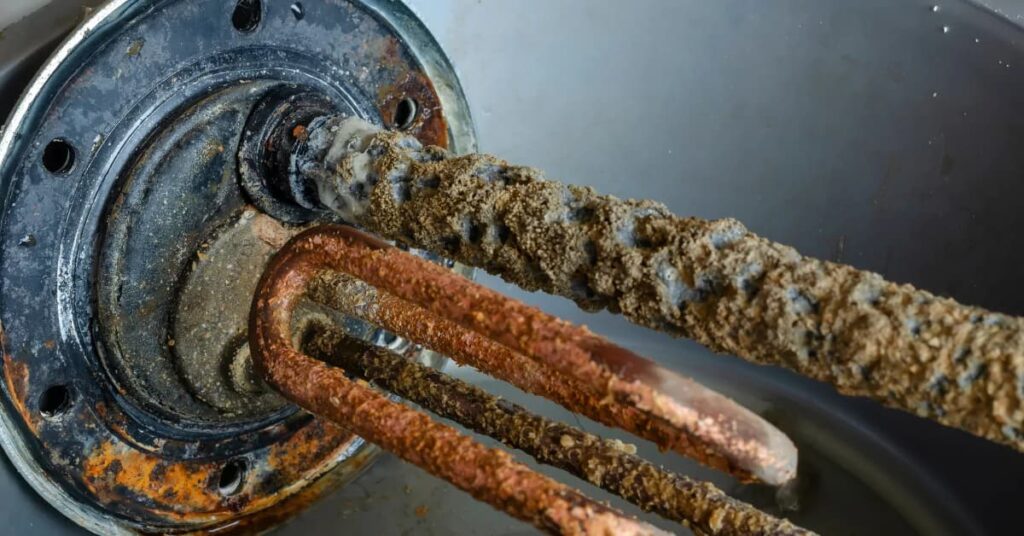
If you’ve noticed that after draining water heater hot water smells metallic, you’re definitely not alone. Many homeowners experience a temporary change in water smell or taste after flushing or draining their water heater, and while it can be surprising, it’s often a normal and temporary reaction. Maintenance like draining the tank disturbs sediment, introduces fresh oxygen into the system, and can temporarily change water chemistry. These changes sometimes create a metallic odor even when nothing is broken. In most cases, the smell fades after normal use. However, it’s still important to understand what causes this reaction and how to recognize when it might signal corrosion, aging components, or water quality concerns. A calm, step-by-step approach helps you determine whether what you’re experiencing is a harmless adjustment period or something that needs professional attention.
Why Hot Water Can Smell Metallic After Draining
Draining or flushing a water heater changes the internal environment of the tank and the surrounding plumbing. Several simple processes explain why metallic smells can appear:
- Sediment settled at the bottom of the tank becomes disturbed.
- Fresh oxygen enters the tank during draining.
- Minerals in water temporarily react differently after exposure to air.
- Flow patterns inside pipes change when water resumes.
Water heaters naturally accumulate minerals like iron, calcium, and magnesium over time. When the tank is drained, these deposits may mix into the water supply temporarily, creating a metallic smell or taste.
It’s important to remember that metallic odor does not automatically mean corrosion or danger. Often, the smell results from normal physical and chemical reactions that occur during maintenance.
Is This Normal or a Sign of a Problem?
✅ Usually normal
- The smell appeared immediately after draining or flushing.
- The odor gradually fades after using hot water.
- Only hot water is affected while cold water smells normal.
- Water remains clear without discoloration.
⚠️ Possible problem if:
- The smell resembles strong rust or metal.
- Water appears brown, orange, or cloudy.
- The odor persists longer than several days.
- You notice reduced pressure, unusual noises, or system performance changes.
If after draining water heater hot water smells metallic for an extended period, it may indicate underlying issues that require closer inspection.
Most Common Reasons
▸ Sediment Disturbed Inside Tank
One of the most common causes is sediment being lifted during draining. Over time, mineral particles settle at the bottom of the tank. Flushing stirs them up, allowing iron or mineral particles to enter the hot water supply temporarily.
This can produce:
- Metallic taste or smell.
- Slight changes in water clarity.
Usually, running hot water for a while flushes remaining particles out.
▸ Anode Rod Exposure or Reaction
Most water heaters include a sacrificial anode rod made of magnesium or aluminum to prevent tank corrosion. After draining:
- The rod becomes exposed to oxygen.
- Temporary chemical reactions may alter water smell.
These reactions typically stabilize quickly.
▸ Rust or Internal Corrosion
Although less common, persistent metallic smell may indicate:
- Aging tank lining.
- Internal corrosion.
- Reduced effectiveness of the anode rod.
Older water heaters are more likely to develop corrosion-related odors.
▸ Water Chemistry Changes After Maintenance
Draining introduces fresh oxygen and alters water chemistry temporarily. Minerals oxidize when exposed to air, which can create metallic or mineral-like smells.
▸ Plumbing Pipes Reacting to Flow Changes
In homes with older metal pipes, sudden flow changes after draining may loosen mineral deposits, contributing to metallic smell in hot water.
What You Can Check Yourself (Safe Steps)
Before worrying about repairs, try these simple steps:
- Run hot water for 10–15 minutes to flush the system.
- Compare hot and cold water smell.
- Test multiple faucets throughout the home.
- Observe water clarity and color.
- Monitor whether the smell decreases over time.
These checks help determine whether the issue is temporary or persistent.
⚠️ Safety tips:
- Do not open the water heater tank yourself.
- Avoid adjusting gas valves or heating elements.
- If unsure, stop troubleshooting and seek professional help.
What NOT to Do
- Don’t immediately assume the water heater needs replacement.
- Avoid adding chemical cleaners or treatments.
- Don’t ignore persistent discoloration or strong odors.
- Avoid disassembling heater components without proper knowledge.
Overreacting or applying incorrect fixes can create new problems.
How Long Metallic Smell Should Last
Understanding timing helps reduce worry:
- First few minutes or hours: very common after draining.
- Up to 1–2 days: still within normal range as sediment clears.
- Longer than several days: may require investigation.
If after draining water heater hot water smells metallic beyond the normal adjustment period, it’s wise to look deeper into potential causes.
When to Call a Plumber
Consider professional inspection if:
- Metallic smell becomes stronger instead of fading.
- Water turns rust-colored or cloudy.
- You see leaks around the tank.
- The heater is older than about 8–12 years.
- Loud banging or popping sounds occur during heating.
These signs may indicate corrosion or internal issues requiring attention.
Prevention Tips
To reduce future odor issues:
- Flush the water heater annually to prevent heavy sediment buildup.
- Use proper draining techniques to minimize disturbance.
- Check the anode rod periodically.
- Maintain good overall water quality with appropriate filtration if needed.
Regular maintenance prevents large sediment accumulations that contribute to odor changes.
FAQ
Is metallic smell after flushing water heater normal?
Yes, a temporary metallic smell is common because sediment and minerals become disturbed during draining.
Can draining heater cause rust smell?
It can, especially if iron particles or oxidation occur after the tank is exposed to air.
Is metallic-smelling hot water safe to use?
Usually yes if water remains clear and odor fades quickly, but persistent smell or discoloration should be checked.
Why does only hot water smell metallic?
Because the water heater tank is the source of sediment or mineral reactions, cold water bypasses this process.
Will flushing again fix it?
Sometimes additional flushing helps remove remaining sediment, but repeated flushing without diagnosis isn’t always necessary.
Conclusion
If you’ve noticed that after draining water heater hot water smells metallic, remember that this is often a temporary reaction caused by disturbed sediment, mineral oxidation, or normal adjustments inside the tank after maintenance. In most cases the smell fades as water flows and the system stabilizes. Monitor how the odor changes over time, and focus on safe observation rather than immediate repairs. However, if the metallic smell persists, worsens, or is accompanied by discoloration or unusual noises, a professional inspection can help ensure your water heater remains safe and reliable.