
SEO Title: After Flushing Pipes, Water Looks Cloudy – Causes & Is It Safe?
Meta Description: If water looks cloudy after flushing pipes, here’s why it happens, whether it’s safe to drink, what to check yourself, and when the problem needs attention.
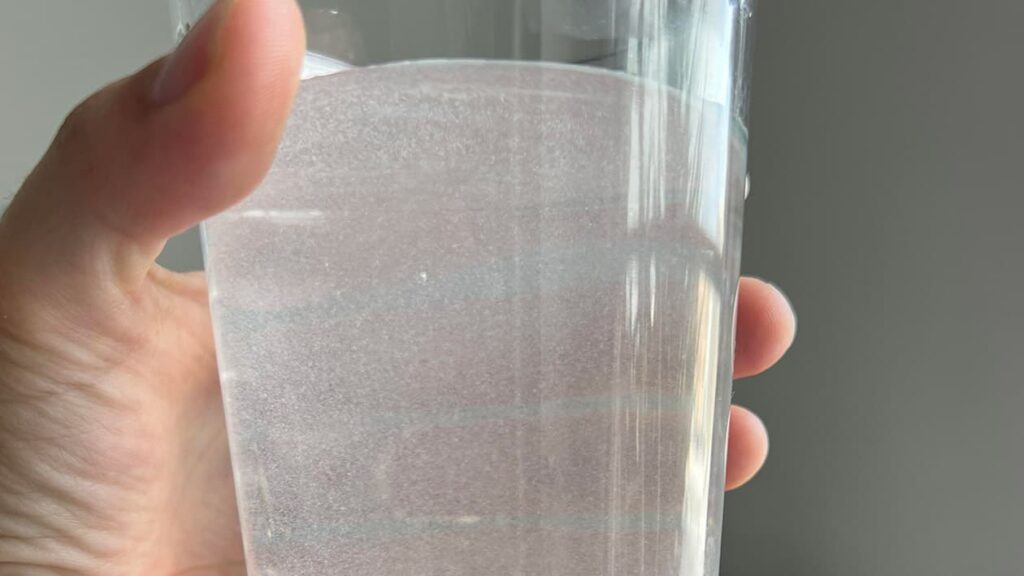
After Flushing Pipes, Water Looks Cloudy
If after flushing pipes water looks cloudy, you’re not alone. Many homeowners notice this right after plumbing maintenance, pipe flushing, or water line repairs. It can be surprising to turn on the tap and see milky, white, or hazy water flowing out.
The good news is that this situation is very common after pipe flushing or maintenance. In most cases, cloudy water is usually harmless and temporary, clearing on its own within minutes or hours. Still, it’s important to understand why it happens and when it might signal a real problem.
In this guide, you’ll learn why water becomes cloudy after pipe work, whether it’s safe to drink, how to tell air from contamination, and when it’s time to contact a plumber or water utility.
Why Water Looks Cloudy After Flushing Pipes
When pipes are flushed, cleaned, or repaired, the normal water flow inside the system is disturbed. This often releases:
- Trapped air inside the water lines
- Sediment that settled in the pipes
- Residue from cleaning or disinfection
- Minerals reacting to pressure changes
In many homes, this temporary disturbance is enough to make tap water appear white, milky, or hazy. Plumbers often explain that most cases are not related to contamination but to physical changes in the water itself.
Is Cloudy Water Safe to Drink?
This is usually the first concern homeowners have.
When cloudy water is safe
In most cases, cloudy water after pipe flushing is safe if:
- The water clears within 1–3 minutes
- There is no unusual smell
- The color remains white or milky (not yellow, brown, or green)
- Only air bubbles are present
Plumbers often reassure homeowners that air in water lines is harmless and does not affect water quality.
When you should NOT drink it
Avoid drinking cloudy water if:
- The water does not clear after several minutes
- The color is yellow, brown, green, or gray
- There is a metallic, earthy, or chemical odor
- The cloudiness lasts for many hours or days
If you’re unsure about water safety in damp or moisture-related situations, you may find this helpful: After heavy rain basement smells damp.
Most Common Reasons This Happens
Air Bubbles Trapped in the Water
This is by far the most common cause.
After flushing pipes, air can enter the water lines and become trapped in the flowing water. This creates milky water from the tap after plumbing work.
Typical signs:
- Water looks white or cloudy
- Bubbles rise quickly to the surface
- The glass clears from bottom to top within 1–2 minutes
In most cases, this is completely harmless and resolves on its own.
Disturbed Sediment Inside Pipes
Older plumbing systems often contain settled sediment such as:
- Iron particles
- Limescale
- Sand or fine debris
When pipes are flushed, these particles become suspended in the water, causing cloudy water after flushing pipes that may take longer to clear.
This is more common in:
- Older homes
- Areas with hard water
- After long periods of low water use
Residue from Pipe Flushing or Cleaning
After maintenance, small amounts of residue from flushing or disinfection can temporarily cloud the water.
Homeowners commonly notice this right after:
- Municipal pipe flushing
- Building water system cleaning
- Water line replacement
In most cases, simple flushing at the tap removes this within a short time.
Minerals Precipitating After Pressure Change
In areas with hard water, pressure changes can cause dissolved minerals to form tiny crystals. These micro‑particles scatter light and create a hazy or white appearance.
This often explains white cloudy water after water line flushing that clears slowly over time.
How to Tell If It’s Just Air or Something Else
This simple test helps identify the cause quickly.
The clear glass test
- Fill a transparent glass with cold tap water
- Place it on a counter
- Watch for 1–3 minutes
What the results mean
- Clears from bottom to top → Air bubbles (harmless)
- Bubbles rise quickly and disappear → Normal trapped air
- Remains cloudy throughout → Sediment or residue
- Settles at the bottom → Particles or minerals present
In most cases, water looks cloudy but clears, which strongly indicates air in the water lines.
What You Can Do Right Now
If your tap water appears cloudy after flushing pipes, follow this checklist:
- Let the cold water run for 5–10 minutes
- Test both cold and hot water separately
- Remove and rinse the faucet aerator
- Fill a glass and observe how it clears
- Check if multiple faucets are affected
In many homes, simply flushing the lines restores clear water quickly.
What NOT to Do
Avoid these common mistakes:
- Do not drink cloudy water immediately if unsure
- Do not install filters randomly without diagnosis
- Do not ignore cloudiness that lasts more than 24 hours
- Do not assume it will always resolve on its own
Persistent problems should always be investigated properly.
How Long Does Cloudy Water Usually Last?
The duration depends on the cause.
- Air bubbles → clears in minutes
- Sediment disturbance → clears in 30 minutes to a few hours
- Cleaning residue → clears within several hours
- System issue → may persist for days
In most cases, homeowners see clear water return the same day.
When to Contact the Water Utility or Plumber
You should seek professional help if:
- Cloudy water lasts more than 24 hours
- Several faucets show the same problem
- Water has strong odor
- Water turns yellow, brown, or green
- Pressure remains unstable
For plumbing-related flow issues, see also: After replacing toilet parts water keeps running.
Persistent cloudiness may indicate pipe corrosion, municipal flushing problems, or water quality changes.
How to Prevent This After Future Pipe Work
Simple steps reduce the chance of cloudy water returning:
- Remove faucet aerators before flushing
- Open taps slowly after maintenance
- Flush cold water first, then hot
- Let water run until fully clear
- Clean aerators regularly
Plumbers often recommend slow, controlled flushing to prevent sediment release.
FAQ
Is cloudy water after flushing pipes normal?
Yes. In most cases, it is very common after pipe flushing or plumbing work and usually harmless and temporary.
Why does my water look milky but clears quickly?
This is almost always caused by air bubbles trapped in the water. As the air escapes, the water becomes clear again.
Can air bubbles make water cloudy?
Yes. Tiny air bubbles scatter light and create a milky appearance, which disappears as the bubbles rise and escape.
Should I drink cloudy tap water?
If the water clears quickly, has no odor, and remains white, it is usually safe. If it stays cloudy or changes color, avoid drinking it and investigate further.
How long after flushing until water is clear?
Air-related cloudiness clears in minutes. Sediment may take up to a few hours. If it lasts longer than 24 hours, contact a professional.
Conclusion
If after flushing pipes water looks cloudy, it’s usually a normal and temporary effect caused by air bubbles, disturbed sediment, or pressure changes. In most cases, the water clears on its own and remains safe to use.
By observing how the water clears, flushing the system properly, and knowing when to seek help, you can quickly decide whether to wait or call a professional — without unnecessary worry.