
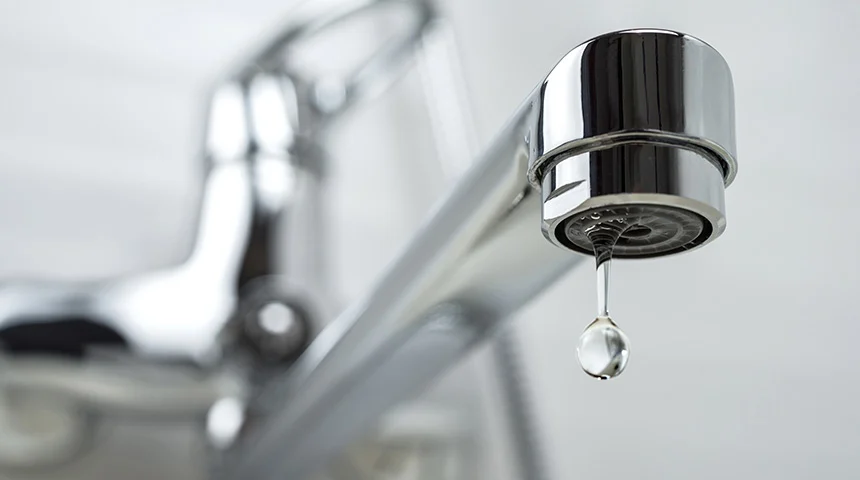
If you’ve noticed that after installing new faucet there is a slow leak, you’re definitely not alone. Many homeowners experience small drips or moisture shortly after installing a new faucet, and it can feel frustrating — especially when you expect everything to work perfectly right away. You might see a drip under the sink, moisture around the faucet base, or small drops forming along supply lines. The reassuring news is that a new faucet leaking doesn’t always mean installation failed or that the fixture is defective. In most cases, slow leaks come from minor connection issues, settling seals, or alignment details that are easy to correct. Understanding why leaks appear after installation helps you fix the problem calmly and prevent larger plumbing damage later.
Why a Faucet May Leak After Installation
Even when installation is done carefully, several normal factors can cause small leaks during the first uses:
- New rubber seals compress under water pressure.
- Connections may shift slightly once water starts flowing.
- Threaded fittings require proper alignment and sealing.
- Existing water pressure can expose weak connection points.
A slow leak often appears because components settle into place once pressure is applied. This is why after installing new faucet there is a slow leak is such a common troubleshooting scenario — it usually relates to installation details rather than faulty equipment.
Is This Normal or a Problem?
✅ Usually normal
- A very small drip during initial use.
- Moisture that stops after slight tightening.
- Minor leaks only during the first few cycles of use.
⚠️ Warning signs
- Leak increases instead of improving.
- Water pools under the sink.
- Cabinet surfaces feel damp or start swelling.
- Continuous dripping even when faucet is off.
If after installing new faucet there is a slow leak that worsens over time, it should be addressed quickly to avoid hidden water damage.
Most Common Causes
▸ Loose Supply Line Connections
This is the most frequent cause. Supply lines use compression fittings that rely on proper alignment rather than excessive force. Even slightly loose connections can allow water to seep through.
▸ Washer or Gasket Misalignment
Rubber washers or gaskets create watertight seals. If twisted, damaged, or missing:
- Water may escape slowly.
- Leaks often appear around joints or under the faucet base.
▸ Overtightened or Undertightened Fittings
Both extremes can cause leaks:
- Too loose → water escapes through gaps.
- Too tight → seals deform or crack.
Finding the correct balance is key.
▸ Thread Seal (Teflon Tape) Issues
Threaded connections may require plumber’s tape:
- Applied in the wrong direction → ineffective sealing.
- Too little tape → incomplete seal.
- Too much tape → prevents proper thread engagement.
▸ Leak From Faucet Base
Moisture around the base often means:
- Missing gasket or incorrect installation.
- Lack of plumber’s putty (if required by design).
▸ High Water Pressure Revealed Weak Points
Installing a new faucet sometimes exposes pressure-related issues that existed before. Higher pressure can force water through small imperfections.
Where the Leak Comes From Matters
Identifying the exact location helps determine the solution.
Under Sink Connection
Leaks at supply lines or valves are usually related to:
- Loose compression fittings.
- Misaligned hoses.
- Damaged washers.
Faucet Base Leak
Water around the base often indicates:
- Missing seal or gasket.
- Improper seating against countertop.
Cartridge Area
Leaks near handles or spout may involve:
- Internal seals.
- Cartridge installation issues.
Supply Valves
Drips from shutoff valves may result from:
- Old valve seals disturbed during installation.
- Slightly loosened packing nuts.
Understanding where the leak originates allows targeted troubleshooting instead of random adjustments.
What You Can Check Yourself (Safe Steps)
Before calling a plumber, try this practical checklist:
- Dry all connections thoroughly and watch for the first drop to identify the source.
- Tighten fittings gently — about ¼ turn at most.
- Visually inspect washers and gaskets.
- Check supply hoses for twists or cracks.
- Turn on water slowly and observe connections carefully.
⚠️ Safety tips:
- Always turn off water supply before adjusting connections.
- Avoid overtightening — this often makes leaks worse.
What NOT to Do
- Don’t apply excessive force with tools.
- Avoid adding random sealant to external areas.
- Don’t ignore slow drips — cabinets can suffer hidden damage.
- Avoid disassembling internal faucet cartridges unless experienced.
Small mistakes during troubleshooting can create larger problems.
How Long a New Faucet Leak Can Last
Some minor dripping can occur briefly as seals compress:
- Immediately after installation → minor settling is normal.
- Within a few hours → leak should reduce or stop.
- Next day or worsening leak → further adjustment required.
If after installing new faucet there is a slow leak that persists beyond initial use, it likely needs correction rather than waiting for it to resolve itself.
When to Call a Plumber
Professional help is recommended if:
- Leak continues after gentle tightening.
- Water appears from inside the faucet body.
- Supply hoses or fittings show cracks.
- Hidden moisture accumulates inside cabinets.
Plumbers can quickly identify issues like faulty cartridges, defective components, or pressure-related problems.
Prevention Tips for Future Installations
- Hand-tighten first, then use tools lightly.
- Use correct washers and seals for each connection.
- Flush water lines before installing new fixtures to remove debris.
- Avoid overtightening threaded fittings.
Careful installation prevents most post-installation leaks.
FAQ
Is it normal for new faucet to leak slightly?
A very small drip during initial use can occur as seals settle, but it should stop quickly. Persistent leaks require adjustment.
Why does my new faucet drip underneath?
Most often, supply line connections or misaligned washers allow small amounts of water to escape.
Can overtightening cause leaks?
Yes. Excessive force can deform seals or damage threads, creating leaks instead of preventing them.
Should I use plumber’s tape on faucet connections?
Only where recommended — typically on threaded connections. Compression fittings usually rely on washers instead.
Will leak stop on its own?
Sometimes minor settling stops small drips, but ongoing leaks should be corrected to avoid damage.
Conclusion
If you’ve noticed that after installing new faucet there is a slow leak, remember that this is a very common situation and usually related to sealing or alignment rather than a defective faucet. Small adjustments, proper tightening, and ensuring washers and threads are correctly positioned often solve the problem quickly. Addressing leaks early prevents cabinet damage and ensures your new faucet works efficiently for years to come.