
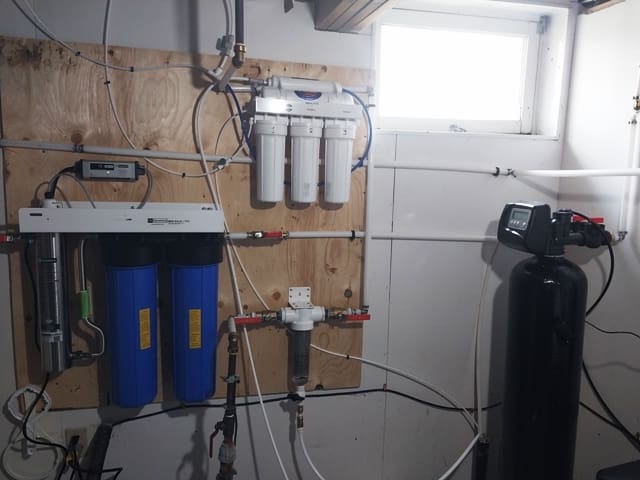
If you’re wondering after installing water filter pressure dropped, you’re definitely not alone. Many homeowners notice a sudden change in water flow right after a new filter installation and immediately worry something went wrong with their plumbing. In reality, this situation is extremely common. A new filter introduces additional resistance into the system, and even perfectly installed units can change how water feels at the faucet or shower. That sudden pressure change can be confusing — especially when everything worked fine before — but in most cases, the plumbing system itself isn’t failing. Water filters improve water quality, but they also affect flow characteristics, which can make pressure seem lower even when the system is operating normally.
How Water Filters Affect Pressure and Flow
To understand why pressure changes after installing a filter, it helps to know the difference between water pressure and flow rate.
- Pressure refers to the force pushing water through pipes.
- Flow rate describes how much water actually moves through the system over time.
When you add a filter, water must pass through filtering media like carbon or sediment layers. This creates resistance — similar to water flowing through a sponge. Even though the system pressure may remain similar, the reduced flow rate can feel like lower pressure at the tap.
Modern filters are designed to slow water slightly so contaminants can be captured effectively. That means a small drop in perceived pressure is often expected. Many cases of “low pressure” after installation are really a change in flow characteristics rather than a plumbing issue.
Is Lower Pressure Normal After Installing a Filter?
✅ Usually normal if:
- Pressure is only slightly reduced.
- Water flow remains steady.
- Only the filtered line or faucet is affected.
- No unusual sounds or leaks appear.
⚠️ Possible issue if:
- Pressure drops drastically.
- Water flow pulses or fluctuates.
- Whole-house pressure decreases.
- Pipes vibrate or make noise.
If water pressure dropped after installing water filter across the entire home, further investigation may be needed.
Most Common Reasons Pressure Drops
▸ High-Density Filter Media
Carbon block filters and multi-stage filtration systems often create more resistance than basic sediment filters. While they improve water quality, they can reduce flow if not sized correctly.
▸ Flow Restrictor Inside Filter Housing
Some filters include built-in restrictors to control flow rate. These can make water feel slower even though pressure remains adequate.
▸ Incorrect Installation Direction
Most filters include an arrow showing the correct water flow direction. Installing it backward can severely restrict flow.
▸ Air Trapped Inside the System
Air pockets are common after installation. Until the air purges, flow may feel weak or inconsistent.
▸ Sediment Released During Installation
Turning off and on the water supply can loosen debris inside pipes. This sediment may clog screens or filter inlets.
▸ Incorrect Filter Size
An undersized filter cartridge may not handle your household’s demand, leading to noticeable pressure loss.
▸ Pressure Regulator Interaction
Sometimes adding a filter changes flow dynamics enough to reveal issues with an existing pressure regulator.
What You Can Check Yourself (Safe Steps)
Before assuming something is wrong, try these safe troubleshooting steps:
- Flush the system by running water for 5–10 minutes.
- Verify the arrow direction on the filter housing.
- Inspect any pre-filter screen or mesh for debris.
- Compare pressure between filtered and unfiltered faucets.
- Briefly test flow without the cartridge (if manufacturer allows) to see if the filter is causing restriction.
⚠️ Safety tips:
- Avoid overtightening fittings.
- Do not dismantle main water lines without experience.
Common Mistakes After Installing Filters
Many pressure issues come from installation choices rather than defects:
- Choosing very fine micron ratings without considering flow rate.
- Stacking multiple filters unnecessarily.
- Installing under-sink filters on whole-house lines.
- Not flushing a new cartridge before use.
These mistakes increase resistance and create the impression of severe pressure loss.
How Long Should Pressure Drop Last?
- First few minutes: air purging phase — completely normal.
- First day: system stabilizes as trapped air clears.
- Permanent pressure drop: often indicates filter design mismatch or installation issue.
When It’s NOT Normal
Pay attention if:
- Pressure keeps decreasing over time.
- Pump cycling behavior changes (for well systems).
- Pipes begin making noise.
- Leaks appear around fittings.
These symptoms may indicate something beyond normal filter resistance.
When to Call a Plumber
Consider professional help if:
- Whole-house pressure loss occurs.
- Pressure fluctuates unpredictably.
- Plumbing is older or has previous issues.
- Troubleshooting steps don’t improve flow.
How to Prevent Pressure Problems Next Time
- Choose filters with appropriate flow rate (GPM rating).
- Match filter capacity to household water demand.
- Pre-flush lines before final installation.
- Replace cartridges regularly according to manufacturer recommendations.
FAQ
Is it normal for water pressure to drop after installing a filter?
Yes. Adding a filter increases resistance in the system, which can slightly reduce flow and make pressure feel lower.
Do water filters reduce pressure permanently?
A small reduction is normal, but severe or worsening pressure loss usually indicates a mismatch between filter design and household demand.
Can air in pipes reduce pressure?
Yes. Air trapped during installation can temporarily affect flow until it clears.
Should I remove the flow restrictor?
Check manufacturer guidelines first. Flow restrictors are often included for proper filtration performance and removing them may affect efficiency or warranty.
How do I test pressure after installing filter?
Compare filtered vs. unfiltered outlets or temporarily test flow without the cartridge (if allowed) to determine whether the filter itself is causing restriction.
Final Thoughts
If you’re dealing with a situation where after installing water filter pressure dropped, remember that some reduction in flow is often expected because filters introduce resistance into the system. Most issues come from flow characteristics rather than plumbing failure. However, excessive pressure loss usually signals a sizing mismatch, installation error, or blockage that should be addressed to restore proper performance.