
Introduction
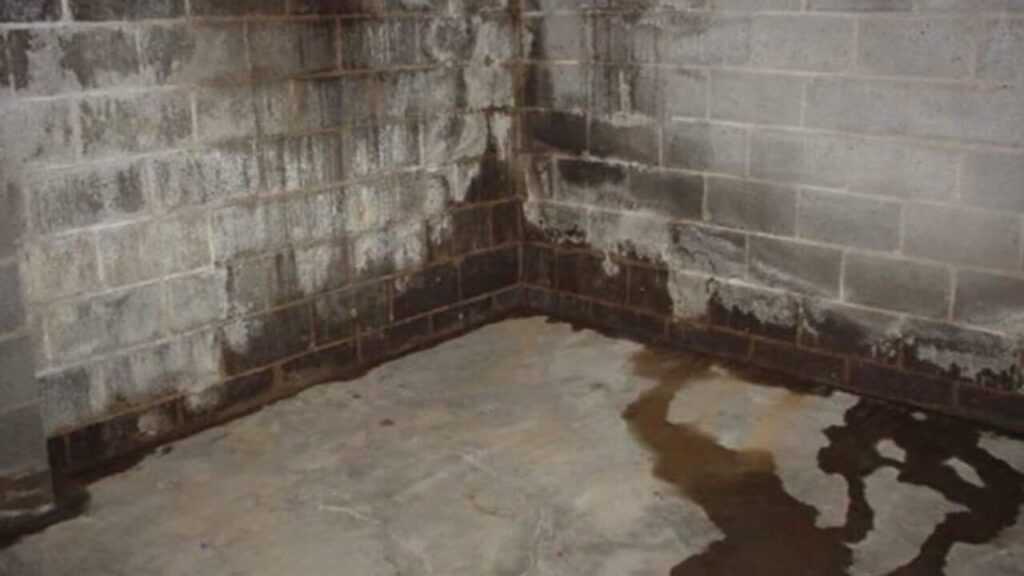
You notice it shortly after a heavy rain or storm: basement smells damp after heavy rain. The air feels heavier than usual, and the odor wasn’t there before the weather changed. It’s easy to feel concerned — thoughts about mold, hidden water issues, or damage may come to mind almost immediately.
Basements are naturally more sensitive to moisture than other parts of a home, especially after prolonged or intense rainfall. Changes outside often affect what happens below ground level first. The important thing to know is that this type of smell is often temporary, especially when it appears only after heavy rain and fades as conditions improve. Still, it shouldn’t be ignored or automatically dismissed — understanding what’s happening helps you respond appropriately instead of jumping to conclusions.
What Likely Happened (Context Section)
After heavy rain, the amount of moisture in the soil around your home increases significantly. That moisture doesn’t stay isolated underground — it affects the environment around and beneath the foundation. Basements sit below ground level, so they are exposed to these changes more directly than upper floors.
As the ground becomes wetter, humidity around the foundation rises. Moist air and evaporation can move into the basement, especially through materials like concrete, which naturally interact with moisture. Walls and floors may absorb small amounts of dampness from the surrounding environment, even when no water is visible.
When this extra moisture meets a space with limited airflow, odors become more noticeable. The smell itself is usually the result of moisture combined with still air, not necessarily a sign of damage. This explains why the odor often appears after storms and fades once the weather dries and conditions stabilize.
Most Common Reasons a Basement Smells Damp After Rain
🔹 Increased ground moisture around the foundation
Heavy rain raises moisture levels in the soil, which can affect the basement environment even without visible water.
🔹 Higher indoor humidity after storms
Rainy weather often brings humid air that lingers indoors, especially in lower levels.
🔹 Moisture absorbed by walls or floors
Basement surfaces can temporarily hold moisture, making odors more noticeable.
🔹 Limited airflow in basement spaces
Basements usually have less air movement, allowing smells to build up instead of dispersing.
🔹 Rainwater temporarily overwhelming drainage
During intense rain, normal drainage may take time to catch up, increasing short-term dampness nearby.
How Long the Smell Usually Lasts
In most cases, a damp basement smell after heavy rain lasts from a few hours to a couple of days. The exact duration depends on several factors, including ventilation, outdoor humidity, and how quickly the weather clears. When conditions dry out and air circulates more easily, the smell should gradually weaken.
What matters most isn’t the presence of the smell alone, but how it changes over time. A normal, weather-related odor tends to fade, not intensify. If each day brings a slight improvement, that’s usually a reassuring sign.
The direction of change matters more than the smell itself. A smell that lingers briefly and then disappears is very different from one that stays the same or grows stronger.
What You Can Check Safely Right Now
At this stage, simple observation is often enough. Start by noting when the smell appears — does it only show up after heavy rain, or is it present all the time? Pay attention to whether it weakens as the weather becomes drier.
Try to identify where the smell is strongest. Is it limited to one area or spread evenly throughout the basement? This can help you understand whether it’s related to general humidity or a specific spot.
If weather and conditions allow, briefly ventilating the space can also be helpful. Fresh air circulation often reduces damp odors naturally. No tools, chemicals, or inspections are needed at this point — just awareness and patience.
When This Is Normal — And When It’s Not
✅ Usually normal if:
- The smell appears only after heavy rain
- It fades as conditions dry
- There is no visible water or pooling
- Basement surfaces feel dry to the touch
🚨 Not normal if:
- The smell persists for many days
- It becomes stronger over time
- Visible moisture or water appears
- Surfaces feel constantly damp
When to Consider Professional Help
In most situations, a damp smell after heavy rain does not require urgent action. However, if the odor doesn’t fade or continues to return even during dry weather, it may be reasonable to consult a professional.
Persistent moisture-related smells can indicate conditions that deserve closer attention, especially when comfort, indoor air quality, and long-term health are concerns. Seeking help doesn’t mean something is seriously wrong — it simply provides clarity and peace of mind when normal patterns don’t apply.
How to Reduce the Chances of This Happening Again
Basements respond quickly to changes in weather, so awareness plays a key role. Paying attention to rainfall patterns and how your basement reacts can help you anticipate temporary changes.
Allowing airflow when outdoor conditions improve can also make a difference, as fresh air helps normalize humidity levels. Most importantly, understanding that basements are naturally sensitive to moisture helps set realistic expectations — not every damp smell signals a problem, but recognizing patterns makes future situations less stressful.
Conclusion
A damp or musty smell in the basement after heavy rain is often a temporary response to increased moisture, not an immediate sign of damage. What matters most is observing how the situation changes as the weather dries. When you focus on patterns instead of assumptions, it becomes easier to tell what’s normal and what deserves attention.
Understanding what changed after the rain helps you respond calmly instead of assuming the worst.