
Upgrading window insulation usually improves comfort and energy efficiency. However, some homeowners notice something unexpected: condensation increased after replacing window insulation. Water droplets may appear on the glass, especially in the morning or during colder weather.
While this might seem like a problem with the installation, it often means your home has actually become better sealed. When air leaks are reduced, moisture that previously escaped can remain inside the home and collect on cold surfaces like windows.
Understanding why this happens can help you manage indoor humidity and prevent potential issues like mold or water damage.
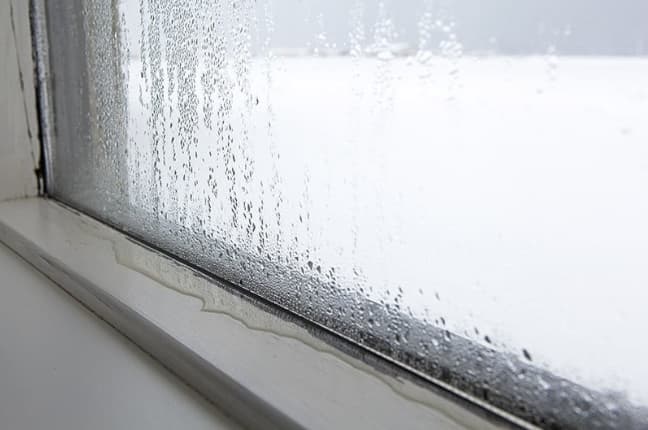
1. Your Home Is Now Better Sealed
When new insulation or weather sealing is installed around windows, it reduces the amount of outside air entering the home. While this improves energy efficiency, it also means less natural ventilation.
Before the upgrade, tiny air leaks allowed moisture to escape. After sealing those leaks, the moisture from everyday activities may stay inside longer.
Common household activities that add moisture to indoor air include:
- Cooking and boiling water
- Taking hot showers
- Drying clothes indoors
- Running humidifiers
When warm indoor air meets cold window glass, condensation forms.
2. Indoor Humidity May Be Too High
Another common reason condensation increases is high indoor humidity levels.
In most homes, comfortable humidity levels range between 30% and 50%. When humidity rises above that level during colder months, windows often become the first place where moisture appears.
You can check humidity with an inexpensive digital hygrometer. If levels are high, try:
- Using bathroom and kitchen exhaust fans
- Running a dehumidifier
- Opening windows briefly for ventilation
- Reducing humidifier settings
The U.S. Department of Energy recommends controlling indoor humidity to prevent condensation and improve indoor comfort.
3. Colder Glass Surfaces Can Create More Condensation
Even well-insulated windows can have temperature differences between indoor air and the glass surface.
If the outside temperature drops significantly, the inner surface of the glass becomes cooler. When warm indoor air touches that cool surface, water vapor condenses into droplets.
This is especially noticeable:
- During winter mornings
- After cooking or showering
- In bedrooms overnight when doors are closed
If condensation disappears later in the day as the home warms up, it’s usually normal seasonal moisture behavior.
4. Curtains and Blinds May Be Blocking Airflow
After window upgrades, many homeowners install thermal curtains or thick blinds to improve insulation even further.
However, these coverings can sometimes trap air between the fabric and the glass, preventing warm room air from circulating across the window surface.
This trapped air cools down quickly, which increases condensation.
A simple fix is to:
- Leave a small gap at the bottom of curtains
- Open blinds slightly during the day
- Allow airflow around the window
Better air circulation often reduces moisture buildup.
5. New Windows Reveal Existing Humidity Problems
Sometimes the insulation upgrade simply reveals a humidity issue that already existed.
Older windows with drafts allowed moisture to escape continuously. Once the house becomes more airtight, the moisture stays inside and becomes more noticeable.
If condensation appears on multiple windows every morning, it may indicate overall indoor humidity is too high rather than a window problem.
Simple Ways to Reduce Window Condensation
If condensation increased after replacing window insulation, try these practical steps:
- Keep indoor humidity between 30–50%
- Use kitchen and bathroom exhaust fans
- Run a dehumidifier during winter
- Improve airflow around windows
- Avoid drying clothes indoors
These adjustments often solve the issue without any additional repairs.
FAQ
Why do my windows sweat more after adding insulation?
Improved insulation makes your home more airtight, which reduces natural ventilation. Moisture from daily activities stays inside longer and can condense on cooler window glass.
Is condensation on windows after insulation a bad sign?
Not necessarily. In many cases, it simply indicates the home is more energy efficient. However, persistent condensation may mean indoor humidity is too high.
Can condensation damage my windows or walls?
If moisture remains for long periods, it can lead to mold, peeling paint, or wood damage around window frames. Managing humidity and improving airflow usually prevents these problems.