
After installing a smart thermostat, rooms heat unevenly — so it can be frustrating when some rooms feel too warm while others stay cool. If this started happening right after the installation, you’re not alone. This is a very common situation and doesn’t necessarily mean anything is broken or installed incorrectly.
Smart thermostats change how your heating system operates, and those changes can reveal differences that weren’t obvious before. There are several possible reasons for uneven heating, most of which are manageable. Understanding what’s happening is the first step toward restoring balanced comfort without unnecessary worry.
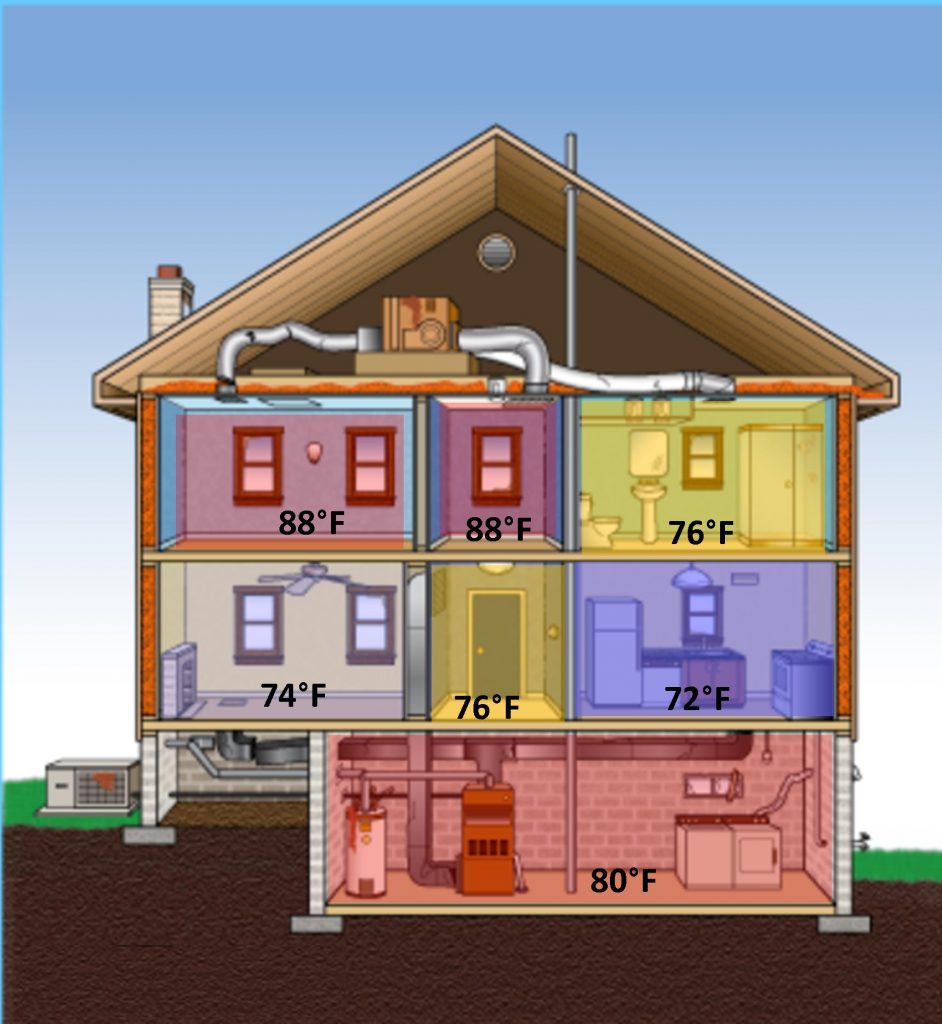
What Likely Happened (Context Section)
When a smart thermostat is installed, it often changes how and when your heating system turns on and off. Unlike traditional thermostats, smart models use learning algorithms, schedules, and sensors to make decisions.
In many cases, these new control patterns affect airflow timing and heat distribution throughout the home. Rooms closer to the thermostat may reach the target temperature faster, while distant rooms lag behind. This difference may not have been noticeable before because the old thermostat ran the system more uniformly or less efficiently.
Often, the uneven heating isn’t a failure — it’s the system adjusting to a new way of operating. Depending on home layout, insulation, and outdoor temperatures, it can take time for the thermostat to “learn” your space and settle into consistent behavior.
Most Common Reasons This Happens
🔹 Thermostat learning mode is still active
Many smart thermostats go through an initial learning phase. During this time, the system experiments with run times and temperature targets. This can cause some rooms to feel warmer or cooler until patterns stabilize over several days.
🔹 Temperature is measured in one location
A thermostat only senses temperature where it’s installed. If that area warms up faster than other rooms, the heating system may shut off before heat reaches distant spaces, leading to uneven comfort.
🔹 Heating schedules changed automatically
Smart thermostats often create schedules based on early usage. These schedules may reduce heating duration or shift timing in ways that don’t suit every room equally, especially during mornings or nighttime transitions.
🔹 Airflow balance became more noticeable
The new thermostat may run shorter or longer cycles than before. These changes can highlight existing airflow imbalances in ducts or vents that were previously masked by constant heating.
🔹 Sensors or room priorities differ
If remote sensors or room averaging features are enabled, the thermostat may prioritize certain areas over others. This can unintentionally favor some rooms while leaving others cooler.
What You Can Check Safely Right Now
You can safely review a few things without tools or technical adjustments:
- Check thermostat settings to see if learning, eco, or adaptive modes are enabled.
- Review the heating schedule and note when temperature changes occur.
- Observe which rooms heat first and which lag behind over time.
- Make sure vents are unobstructed by furniture, curtains, or rugs.
- Notice door positions — closed doors can significantly affect heat flow.
- Give the system time — several days may be needed for stabilization.
These observations help clarify whether the issue is temporary or persistent.
When This Is Normal — And When It’s Not
✅ Usually normal if:
- Uneven heating appeared right after installation
- Differences are mild and fluctuate day to day
- Comfort improves as schedules adjust
- Outdoor temperatures are changing rapidly
🚨 Not normal if:
- One room is consistently much colder than others
- The imbalance worsens over time
- Rooms never reach set temperatures
- Heating runs excessively without improvement
- You notice unusual noises or system strain
This distinction helps determine whether patience or action is needed.
When to Consider Professional Help
If uneven heating continues after the thermostat has had time to adjust, a heating professional may be helpful. Installation issues, sensor placement, or system compatibility can sometimes affect performance.
Waiting too long can increase energy costs and reduce comfort. A professional can evaluate airflow, thermostat configuration, and system response safely, ensuring both comfort and system health.
How to Reduce the Chances of This Happening Again
To prevent future uneven heating, allow smart thermostats enough time to learn before making frequent changes. Keep vents clear, maintain consistent door positions, and review schedules seasonally. Ensuring the thermostat location represents the home’s average temperature can also help maintain balance.
Conclusion
Uneven heating after installing a smart thermostat is usually a sign of system adjustment rather than a malfunction. Smart controls change how heat is delivered, and that change can reveal differences between rooms. By understanding the cause and knowing when to wait or seek help, you can restore comfort without stress.