
Replacing an outlet cover plate is usually a quick cosmetic fix—but if you notice the outlet feels warm after replacing outlet cover, it’s something you shouldn’t ignore.
A slightly warm outlet can sometimes be harmless, but it can also indicate electrical resistance, loose connections, or overload—issues that may lead to serious hazards if left unchecked.
The key is understanding what kind of warmth is normal and what isn’t, especially after making changes around the outlet.
1. Minor Warmth Can Be Normal Under Load
If you’re running a device that draws a lot of power—like:
- Space heaters
- Hair dryers
- Microwaves
…the outlet may feel slightly warm.
This happens because electricity flowing through wires creates a small amount of heat.
Normal warmth should be:
- Mild (not hot)
- Temporary
- Only present while a device is running
If the outlet cools down when nothing is plugged in, it may simply be normal electrical load behavior.
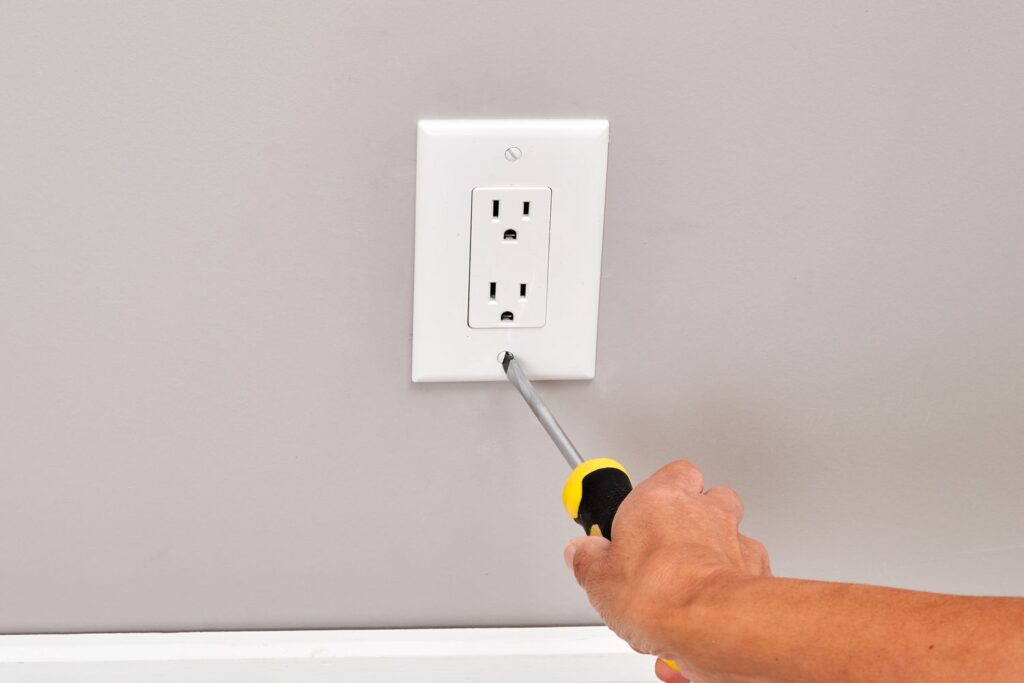
2. The Cover Plate May Be Installed Too Tightly
After replacing the outlet cover, it’s possible the screw was tightened too much, which can:
- Press the outlet inward
- Slightly shift wiring connections
- Increase contact resistance
Even a small change in alignment can affect how electricity flows.
What to do:
- Turn off power at the breaker
- Loosen the cover screw slightly
- Ensure the outlet sits straight and flush
3. Wires May Have Been Disturbed During Installation
Even though replacing a cover plate seems simple, touching the outlet can sometimes move internal wiring slightly.
If a connection becomes loose:
- Electrical resistance increases
- Heat builds up at the connection point
- The outlet may feel warm or even hot
Signs of a loose connection:
- Warmth even with low-power devices
- Flickering power
- Occasional buzzing
This is a more serious issue that should be inspected.
4. Backstabbed Connections Can Cause Heat
Some outlets use backstab connections (where wires are pushed into holes instead of screwed down).
These connections can loosen over time and become worse if the outlet is moved during cover replacement.
Loose backstab connections are a common cause of:
- Warm outlets
- Intermittent power
- Increased fire risk
Electricians often recommend switching to screw terminal connections for a more secure connection.
5. Overloaded Circuit May Be the Real Cause
The timing may be coincidental—your outlet might feel warm after replacing the cover, but the real issue could be circuit overload.
If multiple high-power devices are used on the same circuit:
- Heat builds up in wiring
- Outlets may feel warm
- Breakers may trip occasionally
Check what’s plugged into that circuit and reduce load if needed.
6. Poor Contact Between Plug and Outlet
If plugs fit loosely into the outlet:
- Electricity doesn’t flow efficiently
- Small arcs can form
- Heat builds up at the contact point
This can make the outlet feel warm even under normal use.
If plugs don’t fit snugly, the outlet itself may need replacement.
7. Internal Outlet Damage or Wear
Older outlets can wear out over time.
After replacing the cover, you may simply notice heat that was already present.
Warning signs include:
- Discoloration around the outlet
- Burn marks
- Persistent warmth even with no load
The National Fire Protection Association warns that faulty outlets and loose connections are a leading cause of residential electrical fires.
When an Outlet Is Too Warm (Danger Signs)
A warm outlet becomes dangerous if:
- It’s hot to the touch
- Heat persists with nothing plugged in
- You smell burning plastic
- You see sparks or discoloration
If any of these occur, turn off power immediately and do not use the outlet.
Safe Troubleshooting Steps
If your outlet feels warm after replacing the cover:
- Unplug all devices
- Turn off the breaker
- Check that the cover is not over-tightened
- Restore power and test with a low-power device
- Monitor for continued warmth
If the issue continues, contact an electrician.
FAQ
Is it normal for an outlet to feel warm?
Slight warmth under heavy load can be normal, but it should never feel hot or stay warm continuously.
Can replacing an outlet cover cause overheating?
Not directly, but it can shift the outlet or disturb wiring, which may lead to heat buildup.
Should I stop using a warm outlet?
Yes, if it feels hot or shows other warning signs. It’s safer to have it inspected before continued use.