
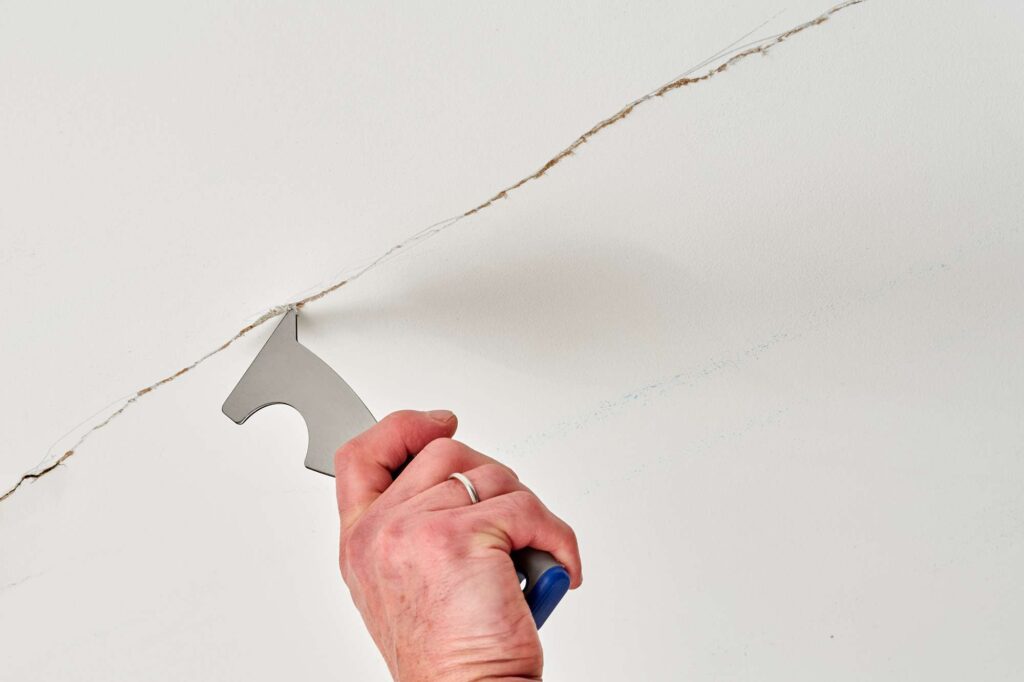
If you’ve noticed that after fixing crack new cracks appeared nearby, you’re definitely not alone. Many homeowners feel worried when new lines show up around a recently repaired area, especially after taking the time to fix an original crack. The good news is that this situation is very common — and it doesn’t automatically mean structural damage or a failed repair. Walls and building materials naturally move over time due to temperature changes, humidity, settling, and daily stress. Sometimes repairing one crack simply reveals underlying movement that was already happening. New cracks may also form because repair materials dry and shrink slightly or because stress redistributes across nearby areas. Understanding the difference between normal cosmetic changes and true structural concerns will help you decide whether to monitor the situation or take further action.
Why New Cracks Can Appear After Repair
Repairing a crack doesn’t necessarily stop the forces that caused it in the first place. Walls expand and contract, structures settle gradually, and materials respond to environmental changes.
Here’s why new cracks can appear:
- Underlying movement continues even after cosmetic repair.
- Rigid patch material may behave differently than the surrounding wall.
- Drying and curing processes cause slight shrinkage.
- Stress redistributes to nearby areas once the original crack is sealed.
A useful analogy: fixing one weak point in a flexible surface can sometimes shift pressure to another nearby location. This doesn’t mean the repair failed — it simply reflects how materials respond to stress.
When homeowners say after fixing crack new cracks appeared nearby, it’s often because the wall continues adjusting after repair rather than because something went wrong during the fix.
Is This Normal or a Sign of Structural Damage?
✅ Usually normal if:
- Cracks are thin hairline lines.
- They appear close to the original repair area.
- They show up during the drying or curing period.
- Doors and windows open normally without sticking.
- No noticeable changes in floor level or alignment occur.
These signs typically indicate cosmetic movement rather than structural failure.
⚠️ Warning signs:
- Cracks wider than about 3–5 mm.
- Diagonal cracks extending from doors or windows.
- Rapid growth or spreading patterns.
- Uneven floors or misaligned frames.
- Multiple cracks appearing across different areas simultaneously.
If these symptoms accompany new cracking, further inspection may be necessary.
Most Common Reasons
▸ Wall Movement Continues After Repair
Buildings naturally move slightly over time due to:
- Seasonal temperature shifts.
- Humidity changes.
- Minor settling of materials.
Repairing a crack doesn’t eliminate these forces — it simply fills the visible gap.
▸ Patch Material Shrinkage
Many fillers and joint compounds shrink slightly as they dry. This can create:
- Fine hairline cracks.
- Slight separation at edges.
These cracks often appear within days or weeks of repair and are usually cosmetic.
▸ Stress Redistribution
When one crack is reinforced, stress may transfer to nearby areas. This is especially common in drywall and plaster surfaces where tension spreads across larger sections.
▸ Moisture Changes in Wall
Humidity or moisture fluctuations can affect wall materials:
- Dry air causes shrinkage.
- Moist conditions lead to expansion.
Recent repairs may temporarily change how moisture moves through the wall.
▸ Structural vs Cosmetic Crack Differences
Not all cracks mean the same thing:
- Drywall cracks are often cosmetic.
- Plaster may crack due to brittleness.
- Masonry cracks may require closer evaluation depending on pattern and size.
Understanding the material helps determine severity.
What You Can Check Yourself (Safe Steps)
Before assuming a serious issue, try this homeowner-friendly checklist:
- Measure crack width using a ruler or coin for reference.
- Mark the ends of cracks lightly with pencil to track growth.
- Observe whether cracks change with temperature or weather.
- Check doors and windows for alignment or sticking.
- Look for moisture stains or signs of water intrusion.
Monitoring over time is often more helpful than immediate re-repair.
⚠️ Safety tips:
- Avoid removing structural materials.
- Do not widen cracks unnecessarily.
What NOT to Do
- Don’t repeatedly refill cracks without identifying the cause.
- Avoid assuming paint alone will solve structural movement.
- Don’t ignore rapidly spreading or widening cracks.
Over-repairing without understanding underlying movement can make troubleshooting harder later.
How Long New Cracks May Appear After Repair
- First days or weeks: minor cracks may appear as filler dries — usually normal.
- Seasonal temperature changes: small movement-related cracks may develop.
- Continuous or expanding cracks: may require investigation.
If after fixing crack new cracks appeared nearby shortly after repair, monitoring for stability over several weeks often provides clarity.
When to Call a Professional
Consider professional evaluation if:
- Cracks widen or multiply significantly.
- Step-shaped cracks appear in masonry.
- Structural elements like beams or foundations seem affected.
- Water intrusion is visible.
- Doors or windows become difficult to operate.
Professionals can determine whether cracks are cosmetic or structural using inspection methods and experience.
How to Prevent Future Cracking
While not all cracking can be prevented, you can reduce recurrence:
- Use flexible joint compounds where appropriate.
- Apply mesh tape when repairing drywall cracks.
- Address moisture or humidity issues.
- Allow adequate drying time before painting.
- Identify and address movement causes before repairing again.
Planning repairs around underlying conditions improves long-term results.
FAQ
Is it normal for cracks to appear after fixing a wall crack?
Yes. Hairline cracks sometimes form due to drying, shrinkage, or continued wall movement.
Why do new cracks form near repaired cracks?
Repairing one area can redistribute stress, causing nearby areas to show movement.
Does crack repair cause more cracking?
Not directly — but repairs can reveal ongoing structural or environmental movement that was already present.
Are hairline cracks structural?
Most hairline cracks are cosmetic, especially in drywall or plaster, but monitoring is important.
When should I worry about new wall cracks?
If cracks widen quickly, appear diagonally near openings, or coincide with structural changes, seek professional evaluation.
Conclusion
If you’ve noticed that after fixing crack new cracks appeared nearby, remember that this is often a normal response related to drying materials, ongoing movement, or stress redistribution rather than structural failure. Monitoring crack size, pattern, and behavior over time helps distinguish cosmetic changes from serious issues. Stay calm, observe carefully, and seek professional assessment only if warning signs appear — early understanding prevents unnecessary repairs and helps maintain confidence in your home’s stability.