
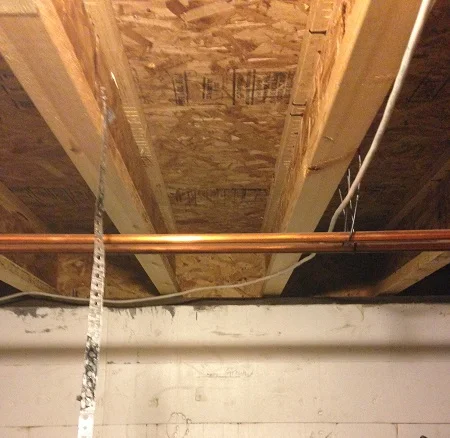
If you’re thinking after insulation upgrade house feels drafty, you’re definitely not alone — and surprisingly, this situation happens more often than most homeowners expect. Many people invest in insulation to make their home warmer and more comfortable, so feeling unexpected airflow or even colder spots after recent insulation work can feel confusing or frustrating. You might notice new air movement, uneven temperatures, or drafts that seem stronger than before despite the upgrade. The good news is that this doesn’t usually mean something is broken or that the insulation failed. In many cases, insulation changes how air moves inside a home, revealing airflow patterns or leaks that existed before but were less noticeable. Understanding why this happens is the first step toward solving it effectively.
Why a House May Feel Drafty After Adding Insulation
At first glance, it seems logical that adding insulation should eliminate drafts entirely — but insulation and air sealing are not the same thing. Insulation slows heat transfer, helping keep warm air inside during winter and hot air outside during summer. However, it doesn’t necessarily stop air movement unless specific air-sealing measures are included.
When insulation is added:
- Existing airflow paths may change.
- Pressure balance between rooms or floors can shift.
- Temperature differences between surfaces increase.
- Previously hidden leaks may become more noticeable.
This is basic building science at work. As insulation improves thermal performance, warmer interior surfaces make even small air leaks easier to feel. Homeowners often interpret this as a new draft, but in reality, the insulation upgrade may have simply revealed airflow issues that were already present.
Is This Normal or a Sign of a Problem?
✅ Usually normal if:
- Drafts feel different but heating efficiency improves.
- Airflow near vents or return registers becomes more noticeable.
- The feeling is temporary during an adjustment period after installation.
⚠️ Possible problem if:
- Cold air enters through walls, windows, or electrical outlets.
- Strong drafts appear near baseboards or corners.
- Uneven room temperatures worsen significantly.
- Certain areas feel much colder despite insulation upgrades.
Understanding whether the airflow changes are expected or indicate an issue is key to deciding your next steps.
Most Common Reasons a Home Feels Drafty After Insulation
▸ Air Sealing Wasn’t Included
One of the most common reasons homeowners say the house feels drafty after insulation upgrade is that insulation was installed without proper air sealing. Insulation slows heat transfer but does not block airflow unless gaps and cracks are sealed. Air sealing includes sealing penetrations around wiring, plumbing, attic openings, and framing joints.
▸ Pressure Imbalance After Sealing Parts of the Home
Insulating certain areas — like the attic or walls — can change how air pressure moves through the home. Known as the “stack effect,” warm air rising creates pressure differences that pull air from lower levels. When insulation changes thermal dynamics, airflow patterns shift, sometimes making drafts feel stronger.
▸ HVAC Airflow Redistribution
Insulation affects how rooms heat and cool, which can change HVAC airflow distribution. More insulated rooms retain heat longer, altering pressure and airflow through ducts. This heating airflow redistribution can make other rooms feel drafty even though the HVAC system is functioning normally.
▸ Attic or Crawlspace Air Leaks Revealed
New insulation can highlight leaks that were previously masked by overall heat loss. For example:
- Gaps around attic hatches
- Recessed lighting penetrations
- Crawlspace openings
These leaks may become more noticeable because the rest of the home is now better insulated.
▸ Thermal Contrast Makes Drafts Easier to Feel
When insulation improves surface temperatures, your body becomes more sensitive to airflow. Even small air movement that previously went unnoticed can feel like a strong draft.
▸ Poorly Installed Insulation Leaving Gaps
Insulation must be installed evenly. Voids or compression can create localized cold spots where airflow concentrates. These gaps may give the impression that insulation caused drafts, when in fact installation quality is the issue.
What You Can Check Yourself (Safe Steps)
Before assuming a major problem, try these safe diagnostic steps:
- Feel around electrical outlets, switches, and baseboards for cold air.
- Check attic access panels and hatch seals.
- Inspect window trim, caulking, and weatherstripping.
- Observe airflow near HVAC supply and return vents.
- Use an incense stick or tissue test to detect subtle airflow patterns.
⚠️ Safety tips:
- Avoid entering the attic without proper safety equipment.
- Don’t remove insulation randomly — this may worsen performance.
Common Mistakes Homeowners Make
Many well-meaning homeowners unintentionally make things worse:
- Assuming insulation automatically seals air leaks.
- Closing vents to stop drafts, which disrupts airflow balance.
- Over-adjusting the thermostat, leading to inefficient cycling.
- Applying DIY sealants without identifying airflow sources.
These actions may temporarily change comfort but rarely address the root cause.
How Long the Drafty Feeling May Last
Some draftiness after insulation upgrades is related to perception and adjustment:
- First days or weeks: airflow feels different because temperature gradients changed.
- After HVAC cycles stabilize: airflow patterns may settle.
- Persistent drafts beyond several weeks: likely indicate air sealing or airflow imbalance issues.
If after insulation upgrade house feels drafty long-term, further investigation may be worthwhile.
When Drafts Are NOT Normal
Certain signs suggest a deeper issue:
- Strong, consistent cold air movement.
- New whistling or airflow noise inside walls.
- Condensation, moisture, or mold development.
- Sudden discomfort in previously stable rooms.
These symptoms may indicate significant air leakage or installation problems requiring attention.
When to Call a Professional
Consider professional evaluation if:
- Energy bills increase despite insulation improvements.
- Drafts worsen over time.
- Whole areas of the home feel significantly colder.
- You suspect hidden air leakage pathways.
Energy auditors can perform tests such as blower door testing to identify airflow leaks accurately.
How to Prevent Draft Issues in Future Upgrades
If you’re planning additional improvements:
- Combine insulation upgrades with air sealing measures.
- Seal attic penetrations before installing insulation.
- Consider HVAC balancing to match new thermal performance.
- Choose contractors who address both thermal and airflow performance.
Proper planning ensures insulation enhances comfort without creating unintended airflow changes.
FAQ
Is it normal for house to feel drafty after insulation?
Yes, it can be. Many homeowners notice airflow changes because insulation alters pressure balance and reveals existing air leaks.
Why does insulation make drafts more noticeable?
Improved insulation increases temperature differences between surfaces, making even small air movement easier to feel.
Can insulation change airflow?
Yes. Insulation affects heat retention, which changes pressure dynamics and airflow pathways throughout the home.
Does insulation stop air leaks?
Not necessarily. Insulation slows heat transfer but does not automatically seal gaps or cracks where air can pass.
How do I find hidden drafts?
Use a tissue or incense test near suspected areas like outlets, windows, attic access points, and baseboards to identify airflow movement.
Final Thoughts
If you’ve noticed that after insulation upgrade house feels drafty, remember that drafts often result from airflow changes rather than insulation failure. Insulation improves thermal performance, but it can expose hidden air leaks or alter pressure balance inside the home. Addressing air sealing, HVAC airflow, and installation quality usually resolves the issue and helps you achieve the comfort improvements you expected from the upgrade.