
Introduction
You finish pressure washing your exterior walls, step back to admire the clean surface — and then notice something unsettling indoors. A damp spot, slightly darker paint, or a feeling of higher humidity appears shortly after. The timing makes it hard not to wonder: Did water get inside my walls?
This situation is more common than many homeowners expect. Pressure washing exterior walls involves large volumes of water delivered at high force, and temporary moisture indoors can sometimes appear as a result. The key point to understand early on is that this does not automatically mean damage. In many cases, the moisture you notice is temporary and part of a short-term drying process. Recognizing what’s normal — and what deserves closer attention — helps reduce unnecessary stress and prevents rushed conclusions.
What Likely Happened (Context Section)
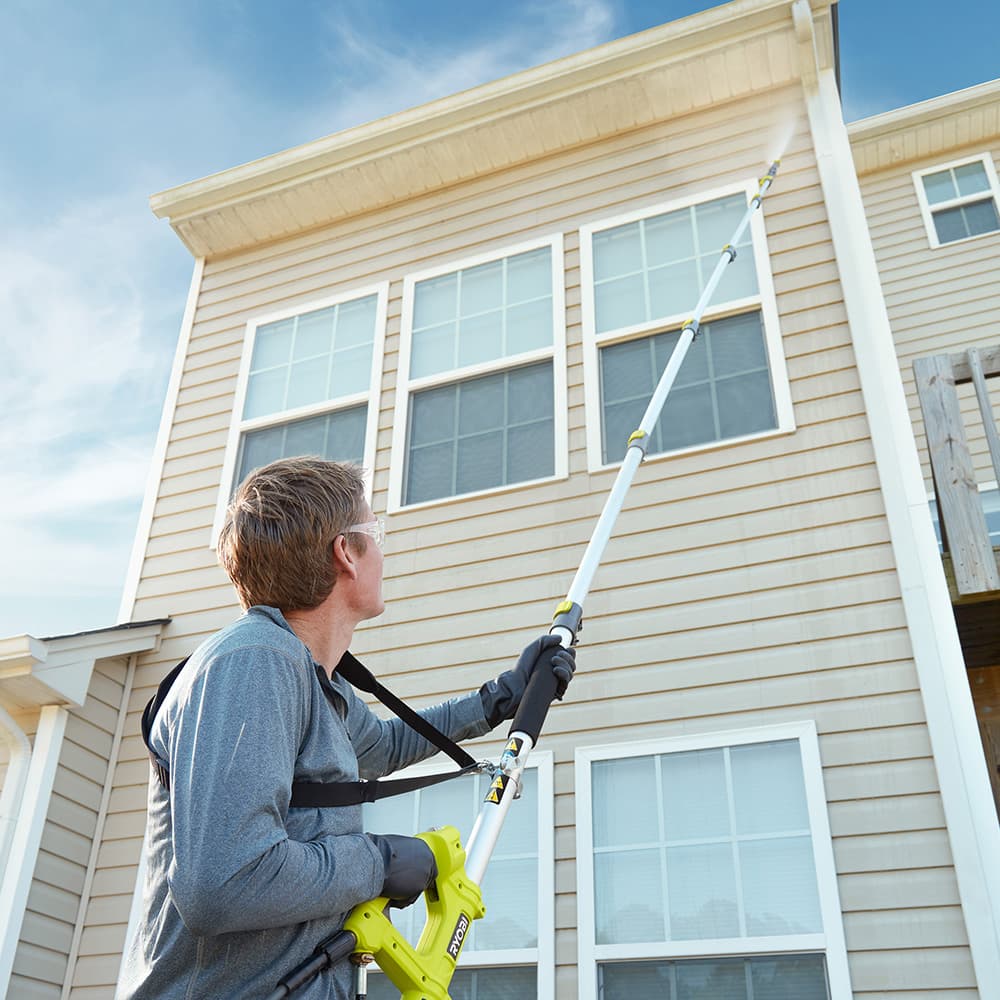
Pressure washing cleans surfaces by pushing water against exterior materials at a much higher force than rain. During this process, some water can momentarily pass beyond the outer surface of a wall. This can happen through tiny gaps, around window edges or seams, or through materials that naturally allow small amounts of moisture to pass through them.
Importantly, this does not mean the wall is broken or failing. Many exterior wall systems are designed to handle occasional moisture exposure and then release that moisture gradually as conditions allow. After washing, the water that made its way inward often begins to evaporate on its own.
How quickly this happens depends heavily on the environment. Warm temperatures, airflow, and lower indoor humidity help moisture dissipate faster. Cooler weather, still air, or already-humid conditions can slow the process. In most cases, what you’re seeing is a temporary imbalance — not a lasting problem — that resolves as drying continues.
Most Common Reasons Moisture Appears Inside After Pressure Washing
Certain indoor conditions such as limited airflow, cooler temperatures, and high indoor humidity can make temporary moisture more noticeable after pressure washing. According to the EPA’s guidance on controlling home moisture, understanding how moisture moves and evaporates inside your home can help you set realistic expectations for drying patterns.
🔹 Water temporarily penetrating exterior materials
Some exterior surfaces allow brief moisture entry during intense washing, which later dries out naturally.
🔹 Moisture entering through joints or seams
Connections between materials can let small amounts of water pass during washing without causing long-term issues.
🔹 Porous surfaces absorbing water
Certain wall finishes absorb water and then release it slowly over time.
🔹 High pressure forcing water into small gaps
The force of washing can push water into places rain normally wouldn’t reach.
🔹 Limited drying conditions after washing
Low airflow, cool temperatures, or high humidity can delay drying and make moisture more noticeable indoors.
How Long Moisture Usually Lasts
In typical situations, indoor moisture linked to pressure washing lasts anywhere from a few hours to a couple of days. The exact timeframe varies based on airflow, temperature, and overall humidity levels inside and outside the building.
What matters most is not the initial appearance of moisture, but how it changes over time. Gradual lightening of damp spots, a reduction in humidity, or surfaces feeling drier are all positive signs. Even if moisture is noticeable at first, steady improvement usually indicates normal drying rather than a deeper issue. Drying progress matters more than the initial appearance.
What You Can Check Safely Right Now
At this stage, observation is usually enough. Take note of where the moisture appears and whether it stays confined to the same area. Over the next 24–48 hours, check if the dampness is shrinking, lightening, or disappearing altogether.
Pay attention to the general indoor environment as well. Does the space feel less humid as time passes? Does the surface feel drier to the touch later than it did earlier? Allowing natural airflow by keeping interior air moving normally can support drying without taking any invasive steps. There’s no need to open walls or take aggressive action while monitoring these changes.
When This Is Normal — And When It’s Not
✅ Usually normal if:
- Moisture appears shortly after washing
- Affected areas gradually dry
- No staining or unusual odors develop
- Indoor humidity decreases over time
🚨 Not normal if:
- Moisture spreads or darkens
- Dampness remains for many days
- Musty odors appear
- Surfaces feel constantly wet
When to Consider Professional Help
In most cases, professional help is not urgent or immediately necessary. However, if moisture does not improve over time or shows signs of worsening, consulting a professional can provide clarity. The goal isn’t to assume the worst, but to understand what’s preventing normal drying. A calm, diagnostic approach helps confirm whether the situation is still temporary or if further evaluation makes sense.
How to Reduce the Chances of This Happening Again
Being aware of how different wall materials respond to water can help set realistic expectations after cleaning. Understanding that prolonged focus on a single area can increase moisture exposure is also useful. Just as important is allowing enough time and conditions for walls to dry naturally after washing. Awareness, rather than aggressive changes, is often enough to reduce future concerns.
Conclusion
Moisture appearing indoors after pressure washing exterior walls is often temporary and manageable. What matters most is watching how the situation evolves rather than reacting to the first signs of dampness. Gradual drying, stable humidity, and the absence of new symptoms usually point to a normal outcome.
Understanding what changed after pressure washing helps you respond calmly instead of assuming damage.