
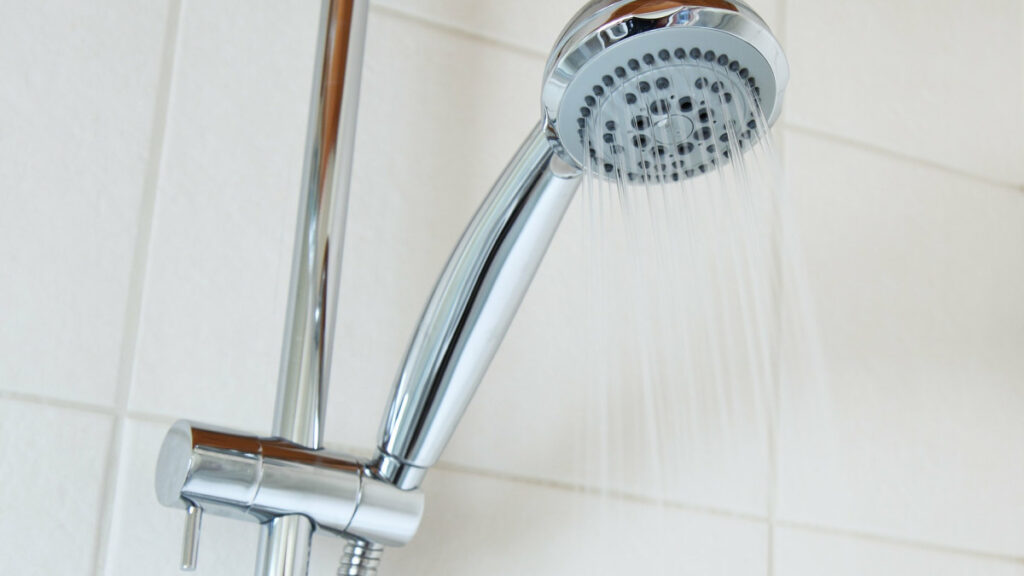
If you’re thinking after replacing shower head water pressure dropped, you’re not alone — this is one of the most common issues people notice right after installing a new shower head. Many expect an upgrade to improve performance, so when pressure feels weaker after installation, it can be confusing or frustrating. In reality, the plumbing system is often working fine. The difference usually comes from the design of the new shower head itself, including built-in flow restrictions, spray patterns, or water-saving features. Understanding why your new shower head changed how water feels can help you quickly identify whether it’s normal behavior or something that needs adjustment.
Why Pressure May Drop After Replacement
Several factors can cause low water pressure after replacing shower head components:
- Modern shower heads often include flow restrictors to conserve water.
- Spray nozzles are designed differently, changing how pressure feels on your skin.
- Low-flow models use less water by design.
- Debris loosened during installation may partially block the filter.
Sometimes the new shower head low pressure problem isn’t actual pressure loss — it’s just a different spray pattern that makes pressure feel weaker.
Is This Normal or a Problem?
✅ Usually normal:
- The new shower head is rated as low-flow.
- Water flow feels different but remains steady.
- Other faucets and fixtures have normal pressure.
⚠️ Possible problem if:
- Extremely weak flow or inconsistent pressure.
- Pulsating or uneven water stream.
- Noise inside pipes.
- Leaks around connections.
If water pressure dropped after installing shower head and these symptoms appear, further inspection may help identify the cause.
Most Common Causes
▸ Flow Restrictor Inside the New Shower Head
A shower head flow restrictor problem is very common. Many modern models include restrictors to meet water efficiency standards, which can make shower pressure weaker after installation.
▸ Clogged Screen or Filter
Small debris inside plumbing can dislodge during installation and clog the mesh filter, causing a new shower head has low pressure situation.
▸ Excess PTFE (Teflon) Tape
Too much sealing tape wrapped around threads can partially block water flow.
▸ Compatibility with Low Household Pressure
Some shower heads are designed for higher pressure systems and may not perform well if home pressure is already low.
▸ Existing Pipe Deposits
Replacing a shower head can expose underlying buildup that previously went unnoticed.
Safe Checks You Can Do
Try these steps safely at home:
- Remove the shower head and test water flow directly from the pipe.
- Clean the mesh filter or screen.
- Check for a visible flow restrictor.
- Ensure the connection isn’t twisted or overtightened.
- Compare hot and cold water pressure.
⚠️ Safety tips:
- Avoid using excessive force with tools.
- Do not attempt to modify plumbing pressure settings.
What NOT to Do
- Don’t disassemble internal plumbing components.
- Avoid forcing higher pressure artificially.
- Don’t immediately assume you need to buy another shower head.
How Long Can the Problem Last?
- Immediately after installation: normal troubleshooting phase.
- If pressure doesn’t improve after checks: likely a design or restrictor issue rather than plumbing failure.
When to Call a Plumber
Contact a professional if:
- Pressure is low throughout the entire home.
- Pipes make unusual noises.
- Leaks appear around fittings.
- Pressure continues worsening over time.
How to Prevent This in the Future
- Choose a shower head with a flow rate suited to your home’s pressure.
- Flush water lines briefly before installing new fixtures.
- Clean filters periodically.
- Read product specifications carefully.
FAQ
Why is my new shower head low pressure?
Most often, built-in restrictors or different spray designs change how pressure feels, even if actual pressure hasn’t changed.
Do shower heads have pressure restrictors?
Yes. Many modern models include flow restrictors to reduce water usage.
Should I remove the flow restrictor?
Some people consider it, but check local regulations and manufacturer guidance first. Restrictors are installed for efficiency and compliance.
Why was pressure better before replacement?
Your previous shower head may have allowed higher flow or used a different spray pattern, making pressure feel stronger.
How do I test shower pressure?
Remove the shower head and test water flow from the pipe directly. If pressure is strong without the head, the issue likely lies with the new fixture.
Final Thoughts
If you’re dealing with a situation where after replacing shower head water pressure dropped, remember that lower pressure is often caused by design differences or built-in restrictors rather than a plumbing failure. Many cases of low water pressure after replacing shower head fixtures can be resolved by checking filters, reviewing flow settings, or understanding how the new spray pattern changes the feel of water.