
Fixing ceiling cracks should restore a smooth, clean surface—but many homeowners notice something frustrating: cracks reappeared after ceiling repair.
At first, everything looks perfect. Then weeks or months later, the same cracks—or new ones—start showing again. This doesn’t always mean the repair was done incorrectly. In many cases, it’s a sign of underlying movement, structural stress, or improper materials.
Understanding the real cause is the key to making a repair that actually lasts.
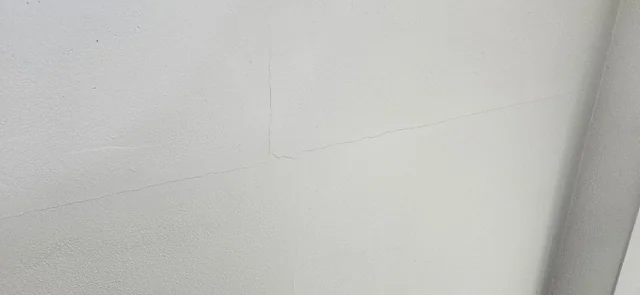
1. Normal House Settling Can Reopen Cracks
All homes move slightly over time. This is called settling, and it’s especially common in:
- Newer homes (first 1–3 years)
- Homes with seasonal soil changes
- Areas with temperature fluctuations
As the structure shifts, stress is transferred to drywall and ceiling joints. Even a well-patched crack can reopen if movement continues.
Typical signs:
- Thin, straight cracks along seams
- Cracks that slowly grow over time
- Reappearance in the same location
Minor settling cracks are usually cosmetic, but persistent movement may need monitoring.
2. The Original Repair May Have Been Cosmetic Only
A common reason cracks come back is that the repair addressed the surface, not the cause.
For example:
- Filling a crack with spackle only
- Skipping joint tape
- Not reinforcing the seam
Without proper reinforcement, the crack can easily reopen.
A durable repair usually requires:
- Joint compound
- Drywall tape (paper or mesh)
- Multiple layers with sanding
Simply covering the crack isn’t enough if the underlying joint is weak.
3. Temperature and Humidity Changes Affect Drywall
Drywall expands and contracts with changes in temperature and humidity.
After a repair:
- Materials may shrink as they dry
- Seasonal changes can reopen seams
- High humidity can weaken joint compound
This is especially noticeable in:
- Attics or ceilings under roofs
- Rooms with poor insulation
- Homes with fluctuating indoor humidity
The Environmental Protection Agency recommends managing indoor humidity (around 30–50%) to prevent structural and surface issues like cracking and mold.
4. Poor Drying Conditions During Repair
If the repair was done under poor conditions, cracks are more likely to return.
Problems include:
- Applying compound too thick
- Not allowing layers to dry fully
- Sanding too early
- Painting before curing
These issues can cause:
- Shrinkage cracks
- Weak bonding
- Surface instability
Proper drying time between layers is essential for long-lasting results.
5. Structural Movement or Foundation Issues
In some cases, recurring cracks point to larger structural movement.
Warning signs include:
- Cracks that widen over time
- Diagonal cracks
- Cracks near doors or windows
- Multiple cracks throughout the home
These may indicate:
- Foundation settling
- Framing movement
- Load-bearing stress
If you notice these patterns, it’s worth having the structure evaluated.
6. Ceiling Joist Movement or Vibration
Ceilings are attached to joists, which can move slightly due to:
- Temperature changes
- Load shifts
- Foot traffic above (in multi-level homes)
Movement in joists can stress drywall seams, causing cracks to reappear.
This is common in:
- Older homes
- Homes with wood framing
- Areas under attics
7. Incorrect Materials Were Used
Not all repair materials are equal.
Using the wrong type of compound can lead to:
- Shrinking
- Cracking
- Weak adhesion
For example:
- Lightweight spackle may not hold large cracks
- Cheap compounds may shrink more
- Lack of tape reinforcement reduces durability
Using proper drywall joint compound and tape is critical for lasting repairs.
How to Fix Cracks So They Don’t Come Back
If cracks reappeared after ceiling repair, here’s a more durable approach:
- Widen the crack slightly (to remove weak edges)
- Apply drywall tape over the seam
- Use joint compound in thin layers
- Allow full drying between coats
- Sand and repaint
For recurring cracks, flexible compounds or specialized crack repair products may help.
When to Call a Professional
You should seek professional help if:
- Cracks keep returning after multiple repairs
- Cracks are wide (more than 1/8 inch)
- You see signs of structural movement
- Ceiling shows sagging or water damage
These situations may require more than surface repair.
FAQ
Why do ceiling cracks come back after repair?
Because the underlying cause—movement, poor reinforcement, or humidity—was not fully addressed.
Are ceiling cracks dangerous?
Most are cosmetic, but large or growing cracks may indicate structural issues that need inspection.
How do I stop cracks from coming back?
Use proper drywall tape, apply multiple layers of compound, and address any structural or environmental causes.